


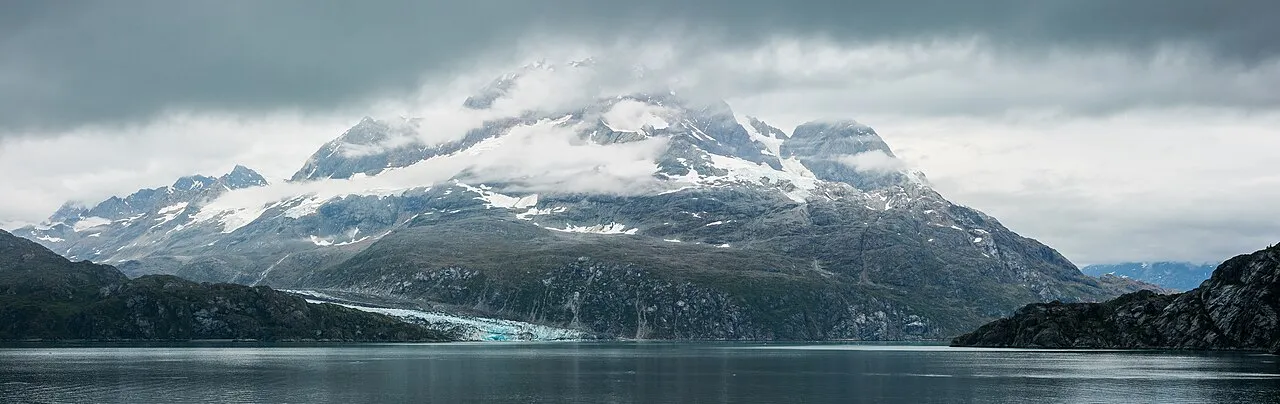
Photo: WikiMedia Commons (CC BY-SA)
My Whittier Logbook
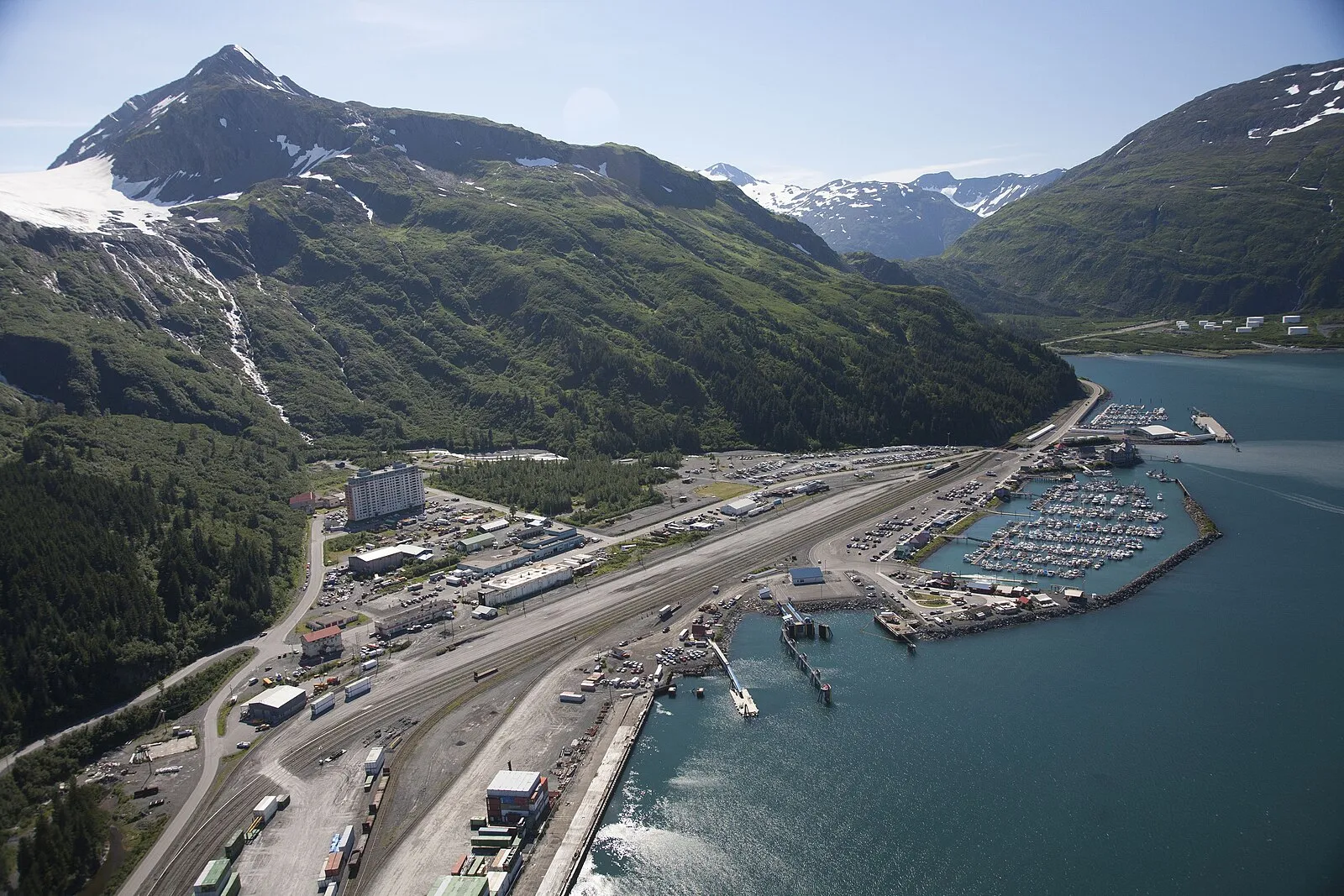
I've visited Whittier twice now, and I still can't quite believe it exists. The approach alone is unlike any other cruise port—our ship squeezed through Passage Canal, surrounded by dramatic cliffs and waterfalls, before arriving at this tiny settlement wedged between mountains and water. From the deck I could see the famous Begich Towers, the 14-story concrete building where nearly everyone in town lives. It looks like something from Soviet Russia but functions as a remarkably practical solution to Whittier's brutal weather. The building contains apartments, a school, a church, a small grocery store, the post office, and even the police station. Kids walk to school through underground tunnels so they never have to face the wind and rain that constantly batter this corner of Alaska.
My first trip to Whittier was all about the 26 Glaciers cruise, and I can say without hesitation that it delivered one of my best days in Alaska. We boarded a high-speed catamaran operated by Phillips Cruises (about $200 per person, though cruise ship prices vary) and spent the next five and a half hours weaving through Prince William Sound's glacier-packed waters. The boat was comfortable with indoor viewing areas, outdoor decks, a snack bar, and a full lunch service—I had the prime rib sandwich while we drifted in College Fjord, which sounds ridiculous but was absolutely perfect.
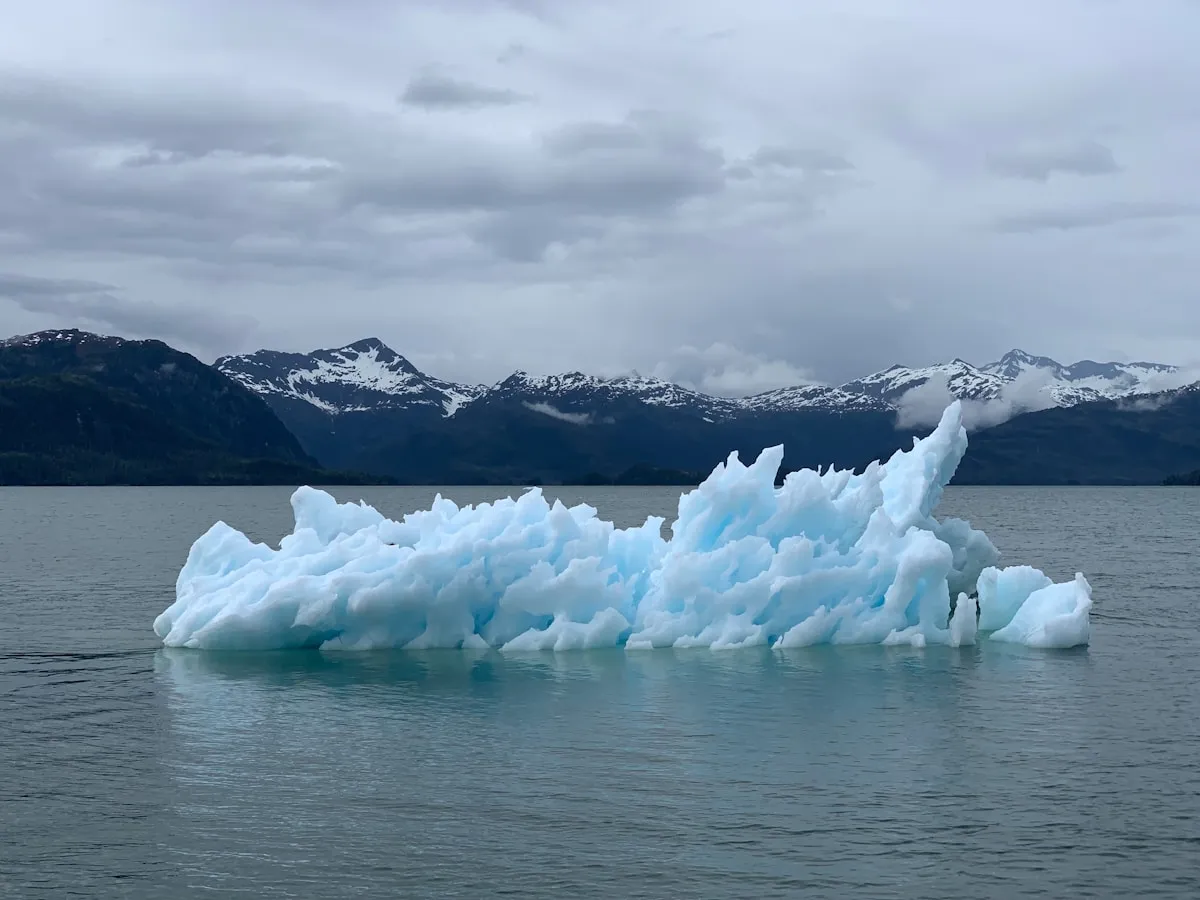
The glaciers came fast and furious. College Fjord alone contains 16 named glaciers, all named after Ivy League schools—Harvard, Yale, Columbia, Dartmouth, and so on—plus several smaller ones without names. Harvard Glacier is the star, a massive tidewater glacier that calves constantly. We watched chunks the size of cars and houses break off and crash into the water, each one sending waves rippling toward our boat. The captain brought us close enough that I could feel the cold air radiating off the ice.
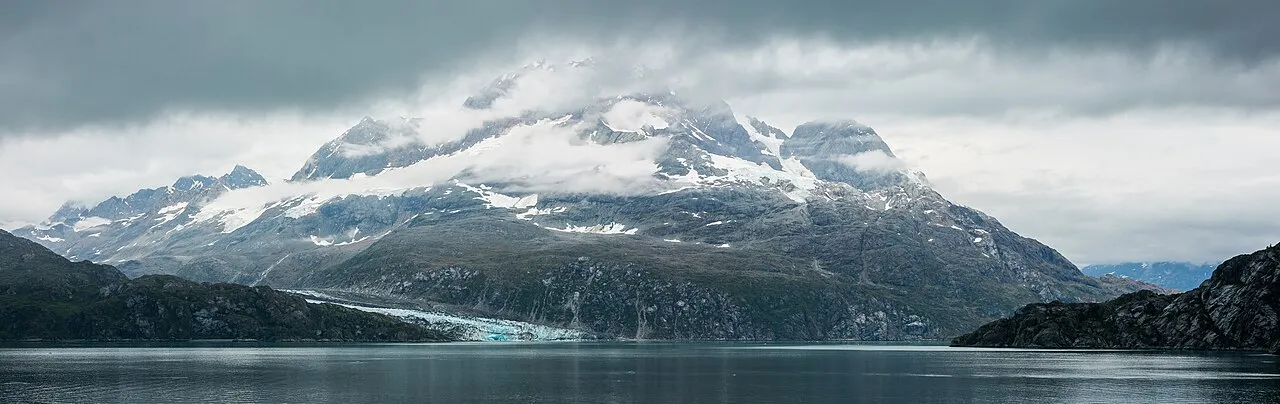
Wildlife was everywhere. Sea otters floated on their backs in groups called rafts, cracking shellfish on their chests with rocks—I counted at least 50 individuals through my binoculars. Harbor seals lounged on ice floes. At one point the captain spotted a humpback whale and we diverted to watch it surface and blow multiple times before continuing to the glaciers. Kittiwakes and puffins wheeled overhead, diving for fish churned up by the glacial melt.
The highlight, though, was at Surprise Glacier. The captain pulled close and crew members scooped fresh ice from a passing berg—ice that had been frozen for thousands of years—and brought it aboard to use in the bar. I watched them crush ancient ice into my drink while the glacier that produced it loomed in the background. It's hard to describe how surreal that moment felt, sipping a beverage chilled by ice older than recorded human history.
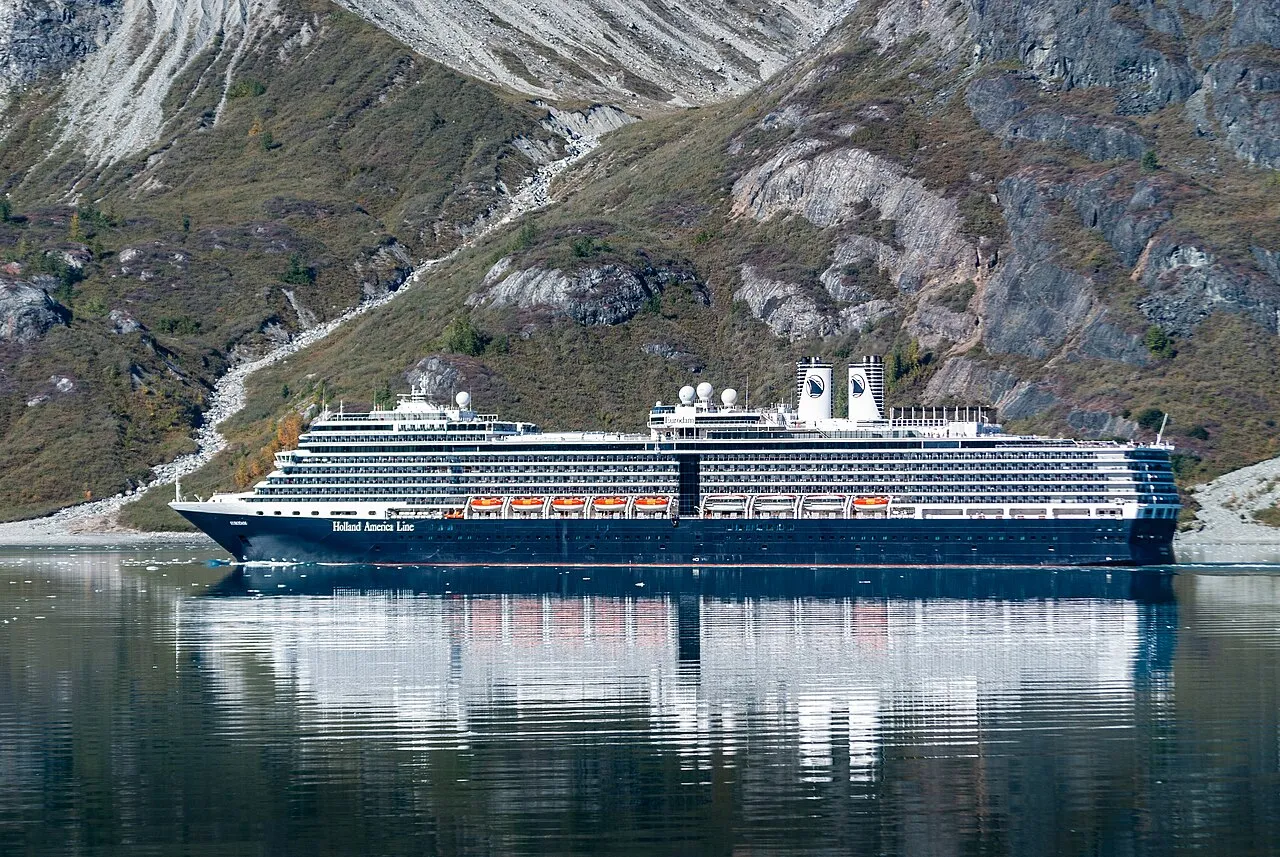
My second visit was shorter—we just walked around town rather than taking another cruise—but equally memorable in its own way. Whittier exists because of World War II. The U.S. Army built this hidden deep-water port in 1943 as a secret supply route to interior Alaska, concealed from potential enemy detection by the surrounding mountains. Today the military is gone but the infrastructure remains, including the Anton Anderson Memorial Tunnel that provides the only land access. Watching cars and trains take turns through that 2.5-mile single-lane passage is entertainment in itself.
The town is tiny—you can walk every street in 15 minutes—but there's something charming about its remoteness and resilience. About 200 people live here year-round, enduring 200+ inches of annual precipitation (rain and snow combined) and winds that howl through the mountain pass. Yet they choose to stay, working in fishing, tourism, and the harbor operations that keep this gateway to Prince William Sound functioning. I grabbed coffee at one of the two cafes and chatted with a deckhand who'd been working glacier cruises for a decade. He said he still gets excited every time Harvard calves.
What struck me most about Whittier was the contrast between the town's modest, almost utilitarian appearance and the jaw-dropping natural beauty surrounding it. The concrete buildings and rain-soaked streets don't prepare you for the pristine wilderness just beyond the harbor. It's a place that rewards curiosity—the more I explored, the more I appreciated how this unlikely community has carved out existence in one of Alaska's most challenging environments. I'm already planning my third visit, hopefully with enough time to try the kayaking option and see the glaciers from water level rather than a tour boat deck.
Looking back, what Whittier taught me was about finding beauty in unlikely places. I came expecting glaciers and wildlife—and those exceeded every expectation—but I left thinking about the 200 souls who choose to live inside a single concrete building through endless rain and howling winds. I learned that resilience takes many forms: ancient ice slowly carving mountains, a community thriving where most would give up, tourists willing to travel through a 2.5-mile tunnel for a glimpse of something extraordinary. Sometimes the real lesson isn't the destination but the determination required to reach it.
Weather & Best Time to Visit
Cruise Port
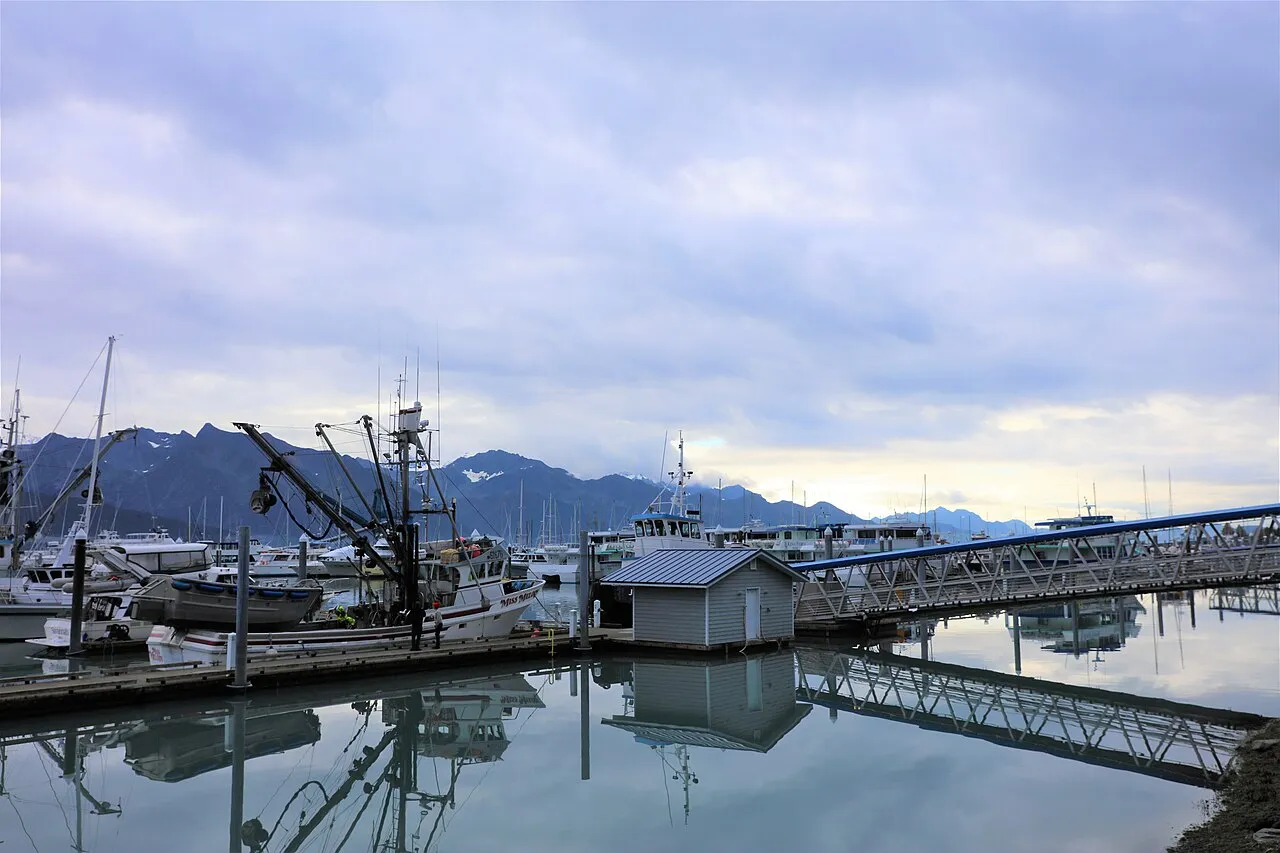
Whittier's cruise terminal is compact but efficient. Ships dock at the dedicated cruise pier in the small boat harbor, just steps from the tour operators, restaurants, and the single main street. The walk from gangway to excursion check-in takes less than five minutes. There's no tender required—all ships dock directly. The terminal area has a small visitor information booth with maps and recommendations.
Whittier sees significantly fewer cruise ships than Juneau or Ketchikan, which means a more intimate, less crowded experience. However, this also means fewer services—there's no extensive shopping district, and restaurant options are limited to a handful of establishments. The real draw is getting out on the water, so most passengers head straight to the glacier cruise operators or kayak outfitters after disembarking. Ships typically arrive in the morning and depart late afternoon, perfectly timed for the 5-6 hour glacier tours.
Getting Around
Currency: US dollars. Credit cards accepted at most tour operators and restaurants, but cash is useful for small vendors.
Walking: Whittier is tiny—you can cover the entire town on foot in 15-20 minutes. The cruise pier, small boat harbor, tour operators, Begich Towers, and the few restaurants are all within easy walking distance. There's no need for transportation within town itself.
To Anchorage: If you're looking to explore beyond Whittier, Anchorage is about 60 miles away. The Alaska Railroad's Glacier Discovery Train offers a scenic 2.5-hour journey with stunning views of Turnagain Arm (approximately $150-200 round trip). Bus transfers take about 90 minutes each way (around $50-80). Both routes pass through the Anton Anderson Memorial Tunnel. Some cruise lines offer organized Anchorage excursions, but given the travel time, most passengers find the glacier cruises a better use of limited port time.
Accessibility: The flat terrain around the harbor and cruise terminal is wheelchair accessible. Tour boats vary in accessibility—the larger Phillips Cruises catamarans have accessible viewing areas indoors with large windows, while smaller kayak operations may have limited accessibility. The main street sidewalks are in good condition, though some areas may be uneven from the harsh weather. Check with specific operators in advance about accommodation needs.
Timing: Most ships arrive in the morning and depart late afternoon, perfectly matching the 5-6 hour glacier cruise schedules. If you're booking independently, aim for the earliest tour departure to ensure plenty of buffer time before your ship leaves.
Excursions
The glacier cruises are the main event—plan accordingly.
Ship Excursion: 26 Glaciers Cruise
This is the signature Whittier experience and worth every penny. High-speed catamarans operated by Phillips Cruises or Major Marine Tours cruise Prince William Sound for 5-6 hours, visiting College Fjord and Harriman Fjord. You'll pass 26 named glaciers with frequent calving activity, wildlife viewing (sea otters, seals, whales, eagles), and a full lunch service aboard. Ship excursion prices typically run $250-350 per person; booking independently through the operators costs around $180-220. Book ahead through your cruise line for guaranteed return to the ship, or book independently if you're confident in timing. These tours sell out during peak season, so early booking is essential.
Independent Option: Kayaking Prince William Sound
For a more intimate glacier experience, consider kayaking. Half-day tours (approximately $150-200) paddle the calm protected waters with glacier views and wildlife encounters. Full-day trips (around $300-350) venture deeper into the fjords. No prior experience needed—guides provide instruction. This is a wonderful alternative if you've already done glacier cruises elsewhere, though the boat tours cover far more territory. Book ahead as capacity is limited.
Independent Option: Walking Whittier
If you prefer to save your excursion budget, walking around Whittier is free and genuinely interesting. Visit Begich Towers to see how nearly everyone lives in one building, watch fishing boats and glacier tour vessels come and go from the harbor, grab coffee at one of the cafes, and explore the historic tunnel area. The town's WWII history and quirky character make for a memorable self-guided experience, though you'll miss the glacier views that make this port special.
Anchorage Day Trip
Some cruisers opt for bus or train excursions to Anchorage (about $80-150 for transportation) to explore Alaska's largest city, visit the Alaska Native Heritage Center (about $25 entry), or go flightseeing over Denali (starting around $300-400). However, with 90 minutes travel time each way, you'll spend significant port time in transit. Most passengers find the glacier cruises a better use of their Whittier stop, but if you've never seen Anchorage, this is your closest access.
Booking Guidance
For the glacier cruises, book ahead—these popular tours fill up fast, especially during peak summer months. Ship excursions offer guaranteed return but cost more; independent booking saves money but requires you to manage your own timing. If booking independently through Phillips Cruises or Major Marine Tours, leave at least 30 minutes buffer before your ship's departure. For kayaking, book in advance as capacity is much more limited than the larger boat tours.
Depth Soundings
Practical details for your Whittier visit.
Weather & What to Wear
Whittier is notoriously wet—it sees over 200 inches of precipitation annually. Even on relatively nice days, temperatures on the water are 10-15 degrees cooler than on land. Bring a waterproof jacket, dress in layers, and pack a hat and gloves for glacier viewing. Sunny days do happen, but don't count on them.
Costs Ashore
Glacier cruise: $180-350 depending on booking method. Kayak tour: $150-350 for half/full day. Coffee at local cafes: $4-6. Lunch at restaurants: $15-25. Gift shop souvenirs: $10-50. Fish and chips: $18-22. Alaska Railroad to Anchorage: $150-200 round trip. There's limited shopping, so don't plan on a major retail experience.
Accessibility Notes
The cruise terminal and main street are wheelchair accessible with flat terrain. Glacier tour boats have indoor accessible areas with large windows, though deck access may be limited. Kayak tours require mobility to enter and exit kayaks. Check with specific operators about accommodation needs.
Limited Services
Whittier has one small grocery store, a couple of restaurants, a coffee shop or two, and a few gift shops. There's no bank or ATM on the cruise pier itself—bring cash if needed. Cell service is available but can be spotty in the fjords during glacier cruises.
The Tunnel
If taking a bus excursion to Anchorage, you'll pass through the Anton Anderson Memorial Tunnel—a 2.5-mile single-lane passage shared with the Alaska Railroad. Traffic alternates direction every 30 minutes, so there may be a wait. The tunnel experience itself is worth noting: you're driving through a mountain on train tracks.
Whittier Gallery
Frequently Asked Questions
Is the 26 Glaciers cruise from Whittier worth it?
Absolutely—many cruisers rate the 26 Glaciers tour as the best glacier experience in Alaska, even better than Glacier Bay for active calving and sheer glacier density. The 5-6 hour cruise visits College Fjord and Harriman Fjord, passing 26 named glaciers with frequent calving activity, plus abundant wildlife including sea otters, seals, and often whales. It's the signature Whittier experience and worth the investment.
Why does everyone in Whittier live in one building?
Begich Towers, a 14-story former Army barracks from WWII, houses nearly all of Whittier's roughly 200 year-round residents along with a school, church, grocery store, post office, and police station. The consolidated arrangement makes practical sense given Whittier's brutal weather—over 200 inches of annual precipitation and fierce winds through the mountain pass. Kids walk to school through underground tunnels.
How does Whittier compare to other Alaska cruise ports?
Whittier is more rugged and less touristy than Juneau or Ketchikan, with limited shops and restaurants but unmatched access to Prince William Sound's glacier-filled waters. While the town itself is quirky but small, the excursions from Whittier—particularly the glacier cruises—rank among Alaska's best. It's not a shopping port; it's an adventure port.
What is the Anton Anderson Memorial Tunnel?
The Anton Anderson Memorial Tunnel is a 2.5-mile single-lane passage through the Chugach Mountains—the longest combined rail and highway tunnel in North America. Traffic alternates direction every 30 minutes and the tunnel is shared with the Alaska Railroad. It's the only land route to Whittier and an engineering marvel in its own right.
What wildlife can I see from Whittier?
Prince William Sound is rich with wildlife. Sea otters are everywhere, floating on their backs in groups called rafts. Harbor seals lounge on icebergs, Steller sea lions haul out on rocks, and humpback whales and orcas are regularly spotted on glacier cruises. Bald eagles, puffins, kittiwakes, and other seabirds are common throughout the fjords.
Key Facts
- Location
- Whittier, Alaska
- Port
- Small boat harbor, ships dock directly
- Currency
- US Dollar (USD)
- Language
- English
- Population
- Approximately 200 year-round residents
- Climate
- Cool and wet; over 200 inches of annual precipitation
Whittier Area Map
Interactive map showing cruise terminal, tour operators, and points of interest. Click any marker for details.
Last reviewed: February 2026
Photo Gallery