


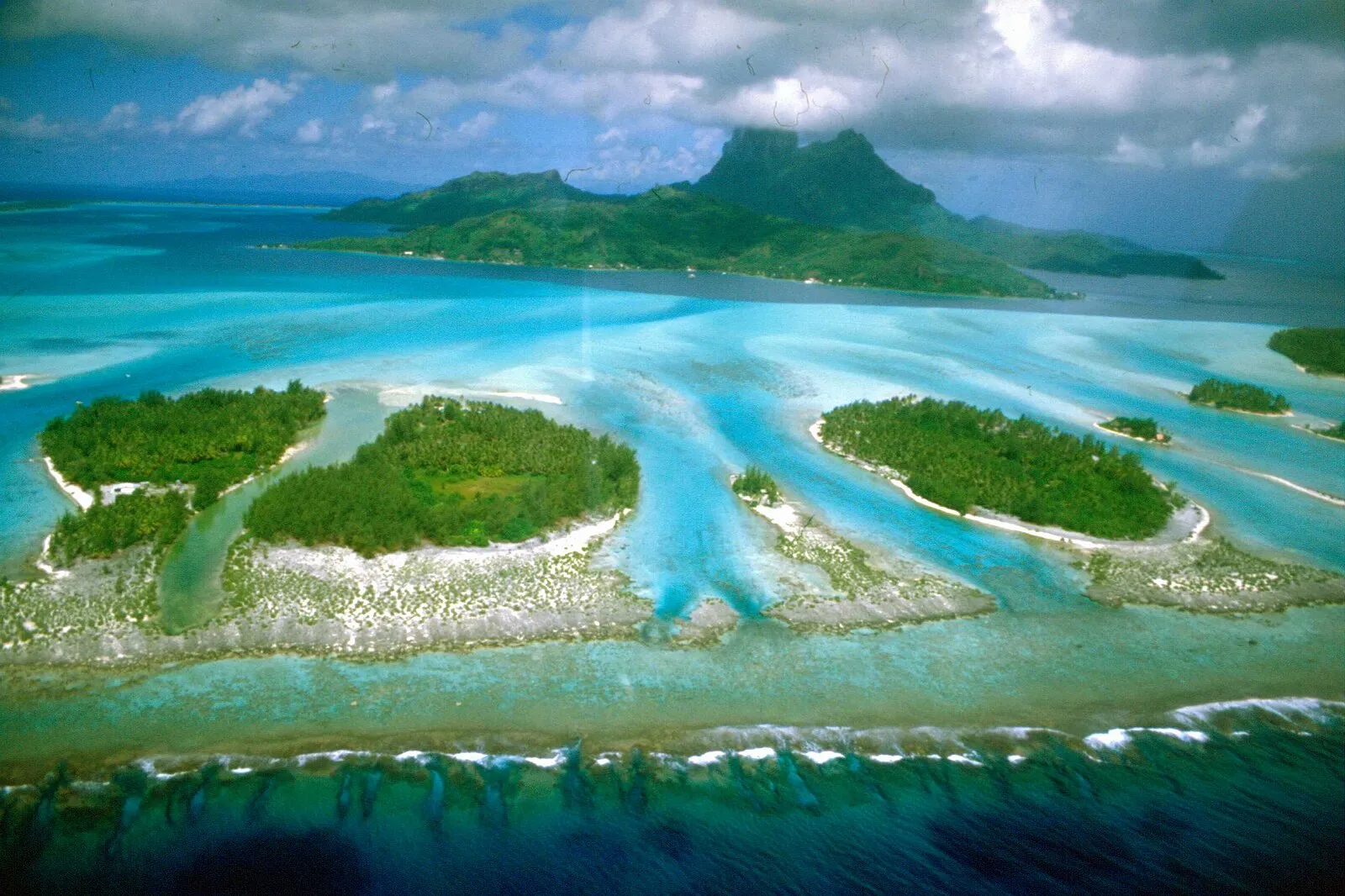
Photo: Wikimedia Commons (CC BY-SA)
Last reviewed: February 2026
Weather & Best Time to Visit
South Pacific Islands Cruise Port Guide
My Ultimate Paradise Escape
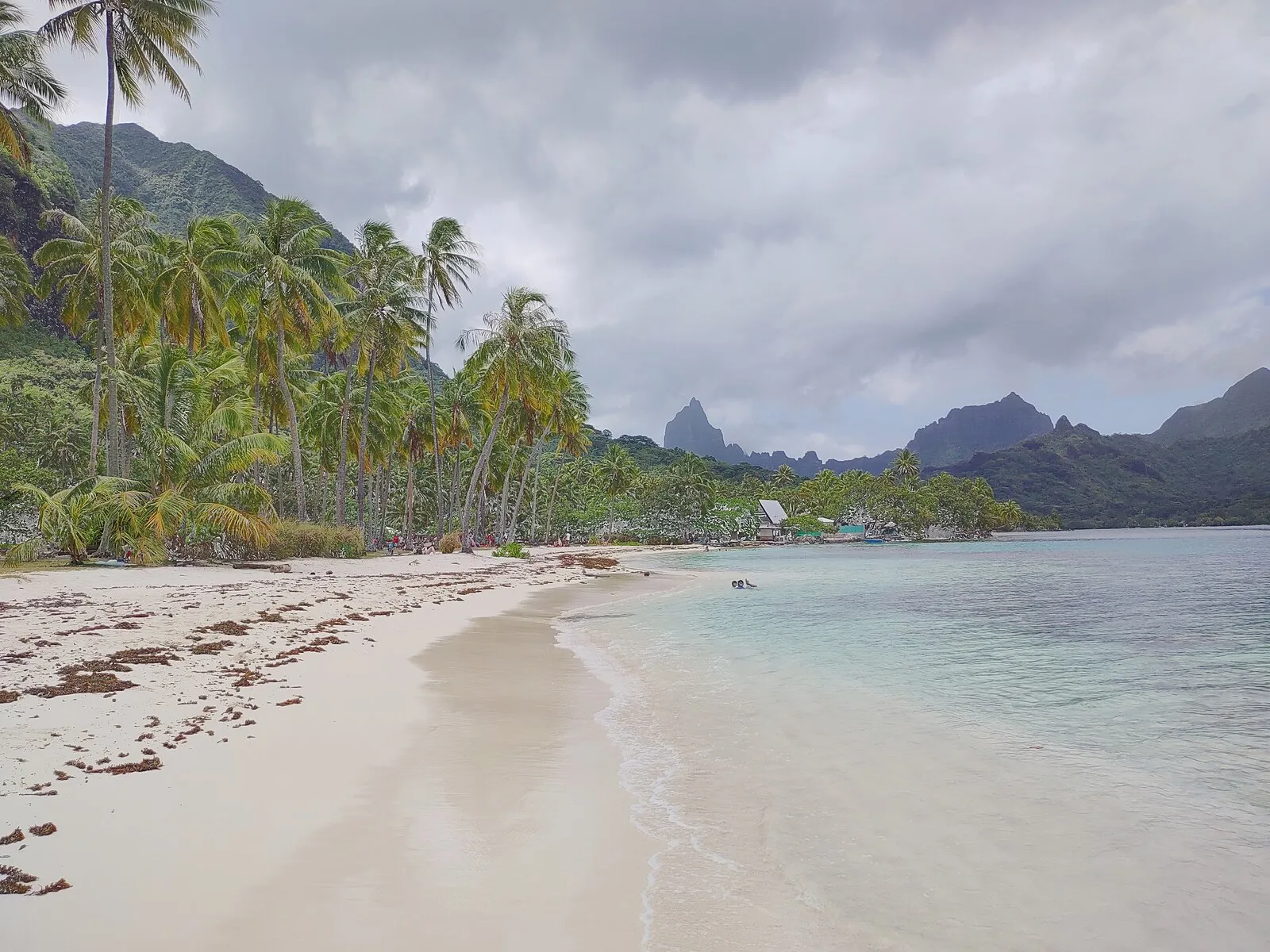
Quick Answer: The South Pacific scores a perfect 5.0 across the board – it's cruising's end-game. Highlights: Bora Bora lagoon tours with stingrays, Moorea's Belvedere lookout, Fiji's kava ceremonies, Vanuatu's blue holes, and Tahiti's black-sand beaches.
Captain's Logbook
Booking guidance: Ship excursion options provide guaranteed return to port and are worth considering for first-time visitors. For those who prefer to explore independently, local operators often offer competitive rates — book ahead during peak season to secure your preferred times. Whether you choose a ship excursion or go independent, confirm departure times and meeting points before heading out.
Booking guidance: Ship excursion options provide guaranteed return to port and are worth considering for first-time visitors. For those who prefer to explore independently, local operators often offer competitive rates — book ahead during peak season to secure your preferred times. Whether you choose a ship excursion or go independent, confirm departure times and meeting points before heading out.
Booking guidance: Ship excursion options provide guaranteed return to port and are worth considering for first-time visitors. For those who prefer to explore independently, local operators often offer competitive rates — book ahead during peak season to secure your preferred times. Whether you choose a ship excursion or go independent, confirm departure times and meeting points before heading out.
From the Logbook
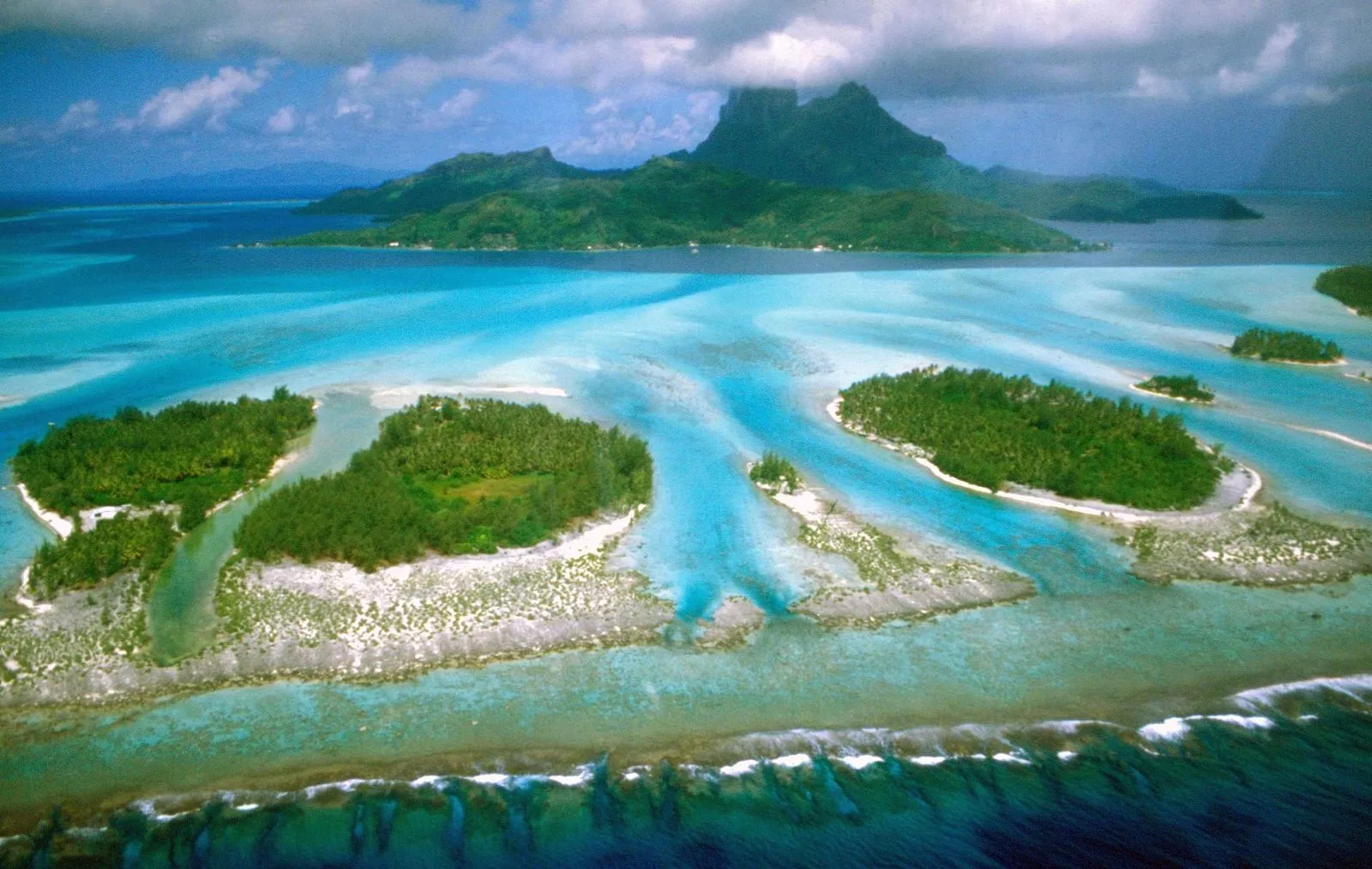
I had seen photographs of the South Pacific my entire life — turquoise water, white sand, palm trees leaning over lagoons — and I assumed the cameras were lying. They were not. When our ship anchored off Bora Bora and I stepped onto the tender, the water beneath us was so clear I could count individual coral heads on the lagoon floor twenty feet below. The color was not blue and not green but something between the two that I had no word for. I sat on that tender bench and stared at my own reflection in the water, and my reflection stared back from a place that should not have existed outside of dreams.
My first morning in Bora Bora, I booked a lagoon tour with a local guide named Teva. He steered our small outrigger through channels between motus — low sandy islands crowned with coconut palms — and at each stop he would slip into the water like he belonged there more than on land. I followed him in, and within seconds a blacktip reef shark cruised past my fins, close enough that I could see the dark eye tracking me with mild curiosity. Then the stingrays arrived — great velvety shapes that rose from the sand and glided against my legs as though asking to be noticed. I had never touched anything so smooth in my life. The warmth of the lagoon wrapped around me like a second skin, and above the surface Mount Otemanu rose sharp and green against clouds so white they looked painted. I floated there for what felt like an hour, though Teva later told me it was fifteen minutes.
In Moorea, we hired a car and drove to the Belvedere lookout. The road climbed through pineapple fields where the fruit grew in neat rows, each plant topped with its spiky crown. At the summit, I stepped out of the car and the wind hit my face — warm but strong, carrying the scent of frangipani and damp earth from a brief rain that had passed minutes before. Below us, Cook's Bay and Opunohu Bay spread out like twin mirrors, the water shifting between jade and sapphire as clouds moved overhead. I could hear roosters crowing in the valley and the distant thump of drums from a cultural center somewhere below. My wife stood beside me and neither of us said anything for a long time because words would have diminished what we were seeing.
Tahiti surprised me. I had expected it to be a transit point — the airport island, the one you pass through on the way to somewhere more beautiful — but Papeete's market changed my mind. I walked through rows of vanilla pods, their scent so intense it was almost dizzying. Vendors sold pareos in colors I had never seen in fabric — coral pink, ocean blue, sunset orange — and monoi oil that smelled like gardenias soaked in coconut. I bought a strand of Tahitian pearls for my wife from a woman who explained how each pearl's color depends on the oyster's diet and the water's temperature. The black-sand beach at Pointe Venus felt strange underfoot — warm and dark and volcanic, as different from a Caribbean beach as stone is from cotton.
Fiji was where my heart broke open. We anchored off Suva and tendered in to Kings Wharf, then walked to the municipal market — the largest in the South Pacific. The produce stalls overflowed with taro and cassava and papayas the size of my head. I bought a drinking coconut from a vendor who cracked it open with one swing of his machete and handed it to me with a smile that made me feel like I had been welcomed into his family. The coconut water was cool and faintly sweet, nothing like the packaged version I had tried at home. That afternoon, we visited a village where the chief invited us to a kava ceremony. We sat cross-legged on woven mats while a young man prepared the root, grinding it and mixing it with water in a large wooden bowl. When my turn came, I clapped once, drank the cup in a single gulp as instructed, and clapped three times. The taste was earthy and peppery, and within minutes my lips went numb. However, the warmth of the welcome mattered far more than the flavor — these strangers had opened their home to us, shared their traditions, and asked nothing in return except our respect.
The moment I carry with me happened on Mystery Island in Vanuatu. The island is tiny — you can walk its entire perimeter in twenty minutes — and uninhabited except when cruise ships visit. I had wandered to the far side, away from the other passengers, and found a stretch of sand where the only sounds were waves and wind through the ironwood trees. I sat down and a hermit crab emerged from the sand near my hand, its shell weathered and old, and it walked across my palm before continuing on its way. I looked up and saw nothing — no buildings, no roads, no signs of anything human except the ship on the horizon. The ocean stretched in every direction, limitless and ancient, and for a moment I felt something I had never felt before: a complete and terrifying insignificance that was, somehow, the most comforting thing I had ever experienced. My eyes filled with tears, though I could not have explained why. Perhaps it was the beauty, or the silence, or the understanding that this water had been here long before me and would remain long after.
In Noumea, I sat at a sidewalk table and ate a croissant that rivaled anything I had tasted in Paris — flaky and buttery with a crisp exterior that shattered at the first bite. The protected lagoon beyond the seawall shimmered in the morning light, and I could see snorkelers drifting over the reef. The blend of French and Melanesian culture created something I had not encountered anywhere else — a place where baguettes and tropical fruit shared the same breakfast table, where the language shifted between French and Kanak depending on the conversation.
What I learned in the South Pacific is that paradise is not a place but a quality of attention. I went expecting to be impressed by scenery, and I was — overwhelmingly so. But what stays with me are the smaller things: the feel of a stingray's wing against my ankle, the sound of drums drifting up from a valley in Moorea, the taste of fresh coconut water on a hot afternoon in Fiji, the smell of vanilla in Papeete's market, the silence on the far side of Mystery Island where I sat alone and wept for reasons I still do not fully understand. The South Pacific taught me that the world is larger and more generous than I had imagined, and that sometimes the bravest thing you can do is sit still and let beauty find you.
Cruise Port
The South Pacific spans multiple ports across Fiji, Tonga, Samoa, and the Cook Islands. Each island has different facilities — from modern terminals in Suva to basic wharves on smaller islands. Expect varying levels of infrastructure depending on the stop.
Getting Around
Transport varies dramatically by island. Most small islands are walkable on foot. Fiji's Denarau area has organized shuttle transport and taxis. Tonga and Samoa rely on local buses and taxis, which are affordable but run on relaxed schedules. Allow extra time for connections on less-developed islands.
Port Map
Explore the South Pacific islands - Bora Bora, Moorea, Tahiti, Fiji, Vanuatu, and New Caledonia. Click markers for details and directions.
Excursions
Popular options include snorkeling and diving on coral reefs, cultural village visits, and waterfall hikes through lush tropical interiors. Each island offers a distinct experience — from Fiji's fire-walking ceremonies to Tonga's whale-watching season.
Booking guidance: Ship excursions are recommended for remote islands with limited independent transport — they guarantee your return to the vessel. For larger ports like Suva, independent exploration is straightforward. Book ahead for popular diving and snorkeling trips, as small-boat operators fill up quickly on ship days.
Depth Soundings
Money: ATMs are generally available near the port area, though fees vary. Credit cards are widely accepted at tourist-oriented establishments, but carry some local cash for markets, street food, and smaller vendors. Your ship's exchange rate is typically unfavorable — withdraw from a bank ATM instead. Budget $30–$80 per person for a comfortable day including lunch, transport, and a few entry fees.
Timing: Start early if your ship arrives at dawn — the first hours offer pleasant conditions and smaller crowds. Allow at least 30 minutes buffer before all-aboard time. Set a phone alarm as backup. Most port visits allow 8–10 hours on shore, which is enough to see the highlights without rushing if you prioritize well.
Safety: Standard port-town awareness applies — keep valuables close and stick to well-traveled areas during daylight. Your ship's ID card is your most important item — losing it creates a genuine headache at the gangway.
Communication: Wi-Fi is often available at cafés and restaurants near the port. Consider downloading offline maps before disembarking — cellular data roaming charges can be substantial and surprising. Google Maps offline mode or Maps.me work well for navigation without data.
Food & Water: Tap water safety varies by destination — ask locally or buy bottled water to be safe. The best food often comes from busy local restaurants rather than tourist-facing spots near the port. Lunch at a popular local place typically costs $8–$20 per person. Street food can be excellent value if you choose busy stalls with high turnover.
Photo Gallery
Frequently Asked Questions
Q: What's the best time of year to visit the South Pacific Islands?
A: Cruise season runs May through October — year-round tropical (67-86°F), drier in the May–October window. January, February, and March are the months to avoid (peak South Pacific cyclone risk).
Q: Does the South Pacific have a cyclone or hurricane season?
A: Yes — South Pacific cyclone season runs November through April, with peak risk in January, February, and March. Cyclones can disrupt itineraries. January through March are the months to avoid.
Q: What should I pack for the South Pacific Islands' weather?
A: Light breathable clothing. Reef-safe sunscreen. Snorkel gear. Rain gear for wet season. Modest clothing for village visits.
Q: Will rain ruin my port day?
A: Wet season runs November through April; dry season May through October. Cruise season concentrates in the drier May–October window.
Q: Is the South Pacific suitable for passengers with mobility challenges?
A: Accessibility varies by area. The port vicinity and main commercial streets are generally manageable, but older historic districts may feature cobblestones, stairs, and uneven surfaces. Consider booking an accessible ship excursion if you have concerns. The ship's shore excursion desk can advise on specific accessibility options for this port.
Q: Do I need to exchange currency before arriving?
A: Most tourist-facing businesses accept major credit cards. ATMs near the port offer competitive exchange rates. Carry some local cash for small purchases, markets, and tips. Avoid exchanging money on the ship — the rates are typically unfavorable compared to local bank ATMs.
Q: Can I explore independently or should I book a ship excursion?
A: Both options work well. Ship excursions guarantee return to the vessel and handle logistics, making them ideal for first-time visitors. Independent exploration costs less and allows more flexibility — just keep track of time and allow a 30-minute buffer before all-aboard. Many passengers combine approaches: an organized morning tour followed by free afternoon exploration.