
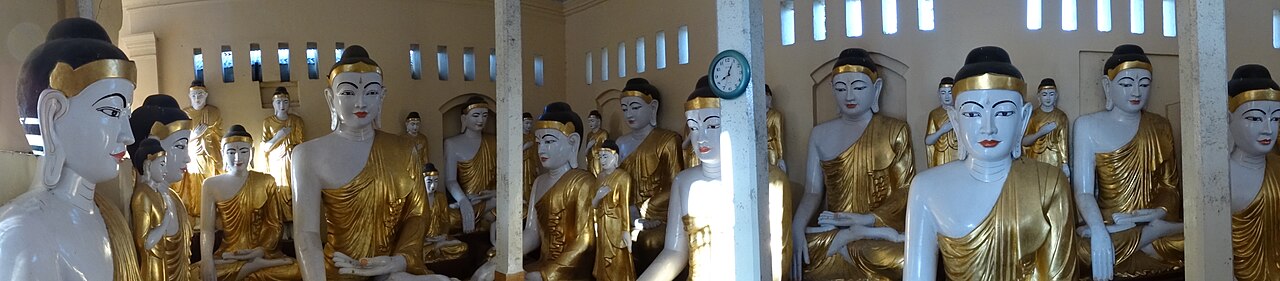
Photo: Wikimedia Commons
The Moment That Changed Me
Yangon River, Myanmar • December 2024
The first thing you see isn't the city itself but the golden tip of Shwedagon Pagoda rising above the haze like a beacon, catching the early morning light as your ship navigates up the Yangon River. It's a fitting introduction to this place—a city where the sacred and the everyday exist side by side, where 2,600 years of Buddhist devotion meets the crumbling grandeur of British colonial ambition.
Yangon—still called Rangoon by many who remember when Burma went by a different name—is Myanmar's largest city, its former capital, and a place of profound contradictions. Here, monks in saffron robes walk past Victorian-era government buildings. Women with thanaka paste cooling their cheeks sell flowers at traffic circles centered on golden stupas. Tea shops spill onto sidewalks where men in longyis debate politics over cups of sweet, condensed-milk-laden tea.
I arrived on a day when the heat wrapped around everything like a warm cloth, when the smell of jasmine and exhaust fumes mingled in the thick air, when the city seemed to pulse with a particular energy—patient, enduring, hopeful despite everything. This is a place that has weathered colonialism, military rule, brief openings, and renewed repression. Yet somehow, in the faces of the people I met, in the care taken with offerings at roadside shrines, in the laughter echoing from tea shops, there was a resilience that humbled me.
The Moment That Stays With Me:
Sunset at Shwedagon Pagoda, watching an elderly woman circumambulate the great stupa for what must have been the thousandth time in her life, her bare feet knowing every inch of the marble path. She paused at each planetary post, made her offerings with practiced grace, her lips moving in prayer. As the sun dropped and the golden dome seemed to ignite from within, catching fire with the last light, I understood something profound: faith this deep doesn't come from comfort or certainty. It comes from walking the same path over and over, from showing up even when the world around you shifts and cracks, from lighting your candle in the darkness and trusting it means something. She didn't see me watching. She didn't perform for anyone. This was just her practice, her devotion, as natural as breathing.
Port Essentials
Cruise Terminal: Ships dock at Thilawa Port (about 25km south of downtown Yangon) or occasionally at Botataung Jetty on the Yangon River. Thilawa is a newer commercial port facility; expect a 45-60 minute drive into the city center. Most cruise lines arrange shore excursions with transportation included.
Port to City: From Thilawa, organized tours provide buses or vans. Independent travelers can arrange private taxis through the ship or at the port (negotiate price beforehand—expect around $40-50 USD for a day charter). From Botataung Jetty, you're much closer to downtown (10-15 minutes).
Time in Port: Most calls are single-day visits (8-12 hours), though some luxury cruise lines or river cruise extensions offer overnight stays. Use your time wisely—Yangon rewards focused exploration rather than trying to see everything.
Visa Requirements: Most nationalities need a visa to enter Myanmar. Some cruise lines arrange group visas for shore excursions; independent travelers should arrange e-visas before departure. Regulations change frequently, so verify current requirements well in advance.
Language: Burmese is the official language. English is spoken by guides, in tourist areas, and by educated professionals, but don't expect widespread fluency. Learning a few Burmese phrases shows respect: "Mingalaba" (hello), "Kyay-zu-beh" (thank you).
Top Experiences in Yangon
Shwedagon Pagoda: The Heart of Buddhist Burma
This is non-negotiable—you came to Yangon for this. The Shwedagon Pagoda is one of the world's most sacred Buddhist sites, a 99-meter-tall stupa covered in gold plates and topped with thousands of diamonds and precious stones. Legend says it enshrines eight hairs of the Buddha himself, making it over 2,600 years old.
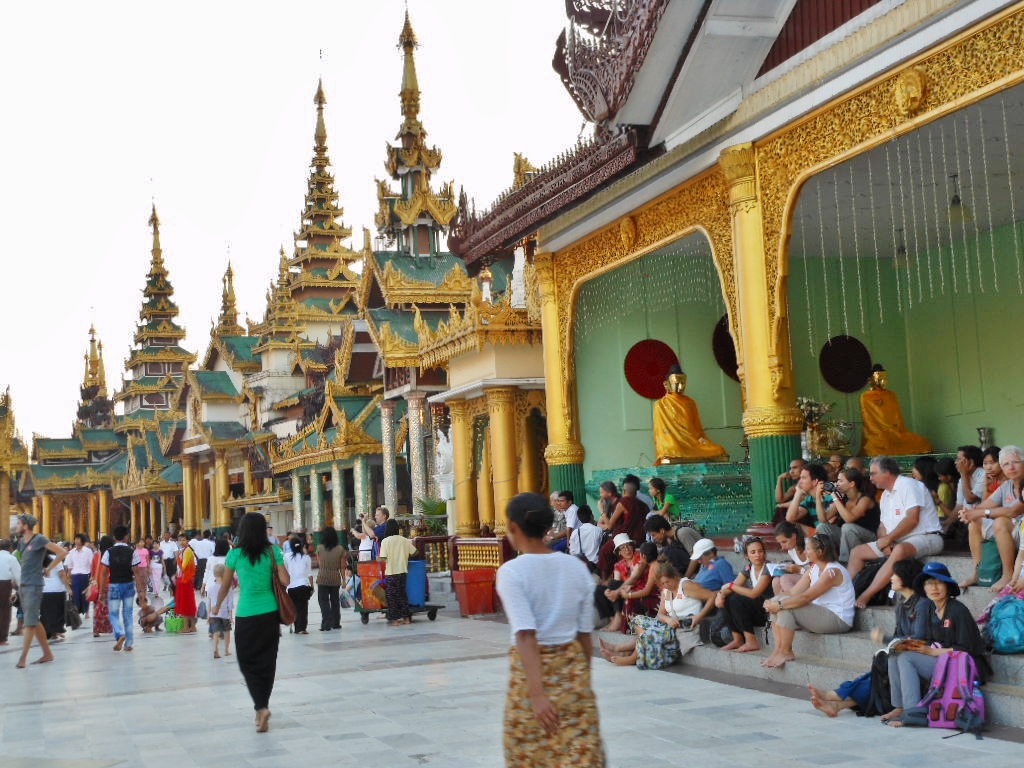
I climbed the southern stairway as the afternoon light softened, removing my shoes as required, feeling the still-warm marble beneath my feet. The complex sprawls across a hilltop platform—dozens of smaller shrines and pavilions surrounding the massive central stupa. Pilgrims pour water over Buddha images at their birth-day planetary posts (determined by which day of the week you were born). The air smells of incense and fresh flowers. Monks sit in meditation. Families make offerings.
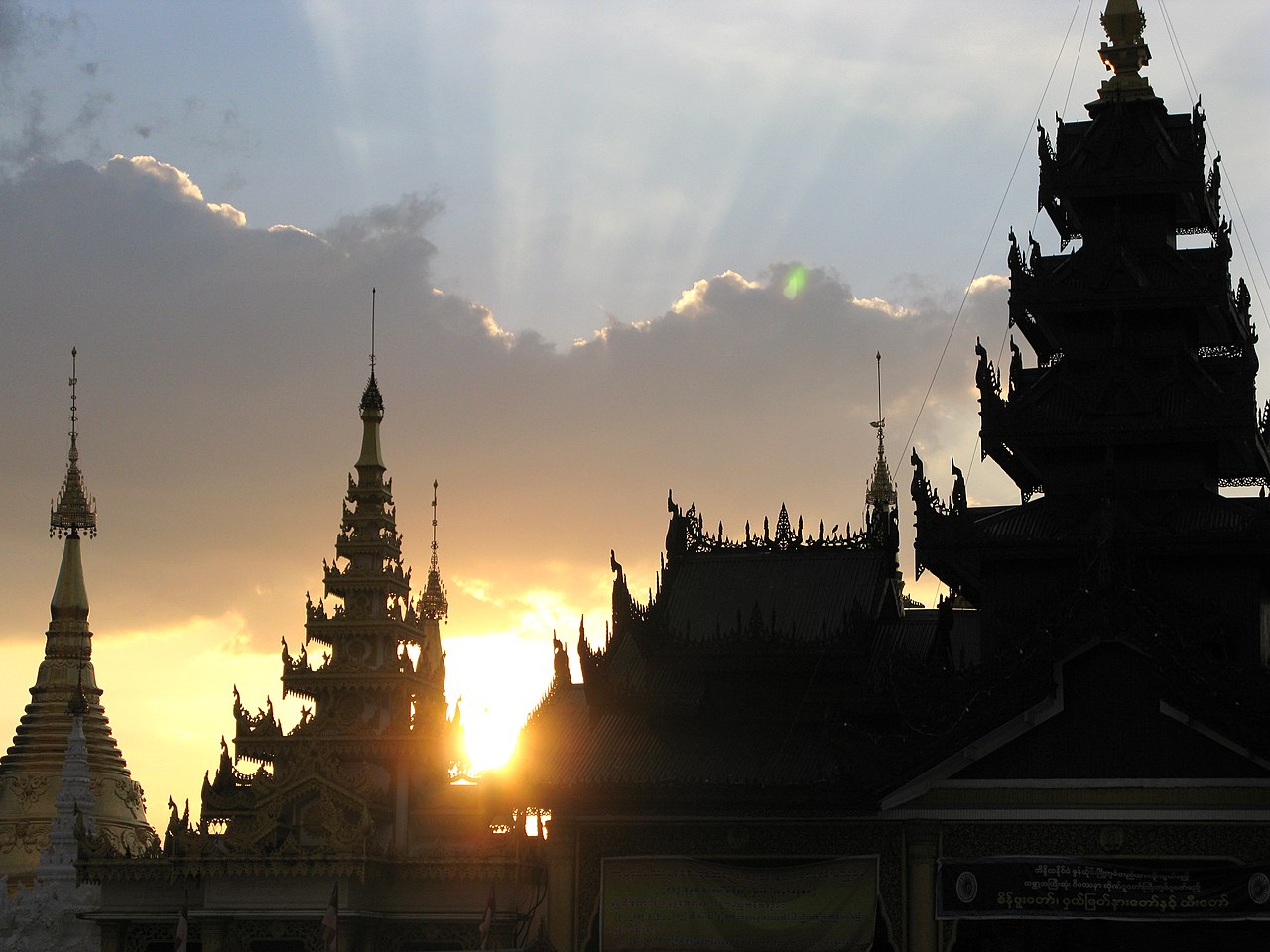
Go at sunset if you can. As the sky deepens to indigo, the golden dome seems to emit its own light, reflecting centuries of devotion back to the heavens. It's one of the most beautiful things I've ever witnessed.
Colonial Architecture Walk: Ghosts of the Raj
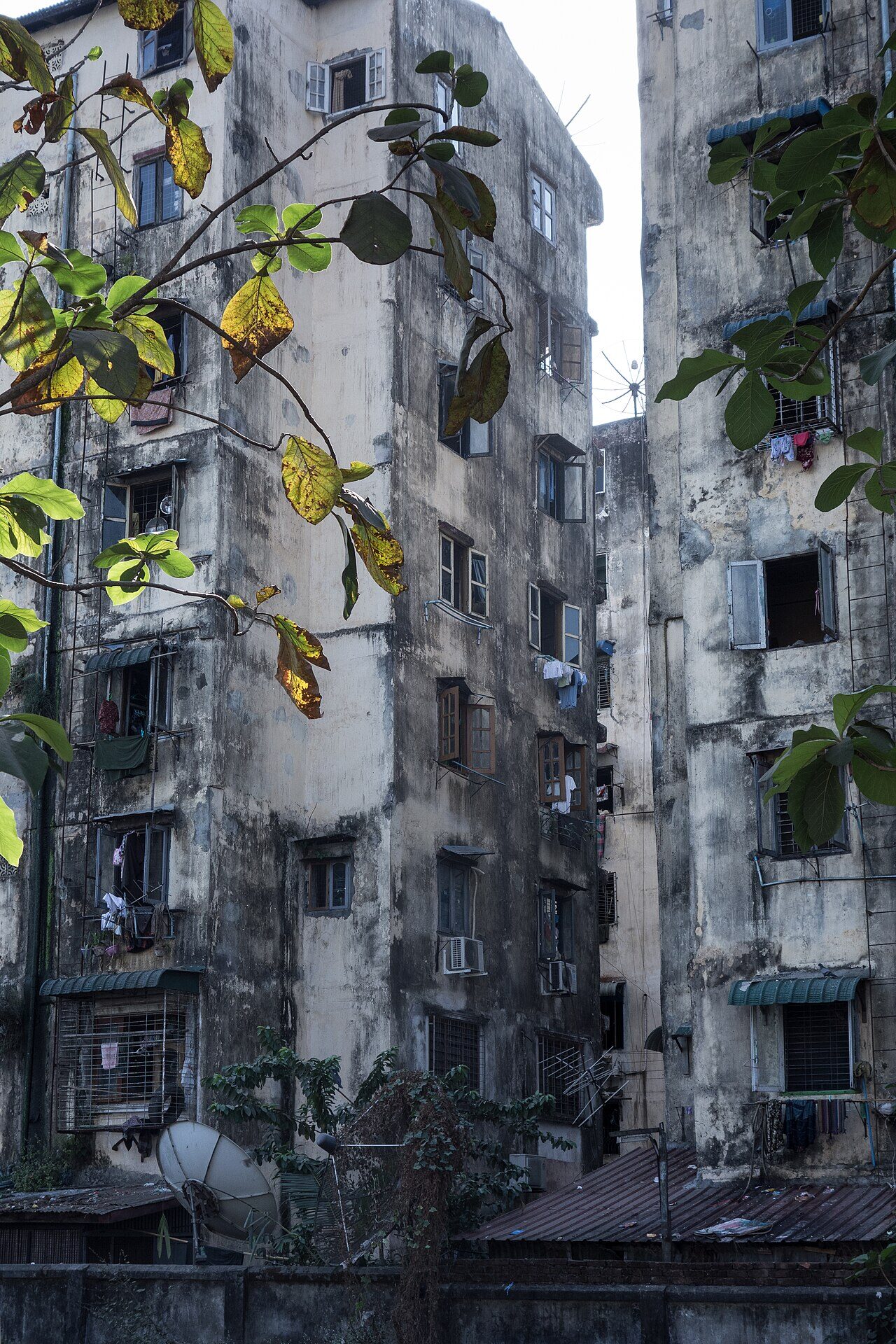
Downtown Yangon holds one of Southeast Asia's largest collections of colonial-era buildings, most slowly crumbling in the tropical heat and monsoon rains. The British built an administrative capital here with grand Victorian and Edwardian structures—high courts, secretariats, trading houses, hotels.
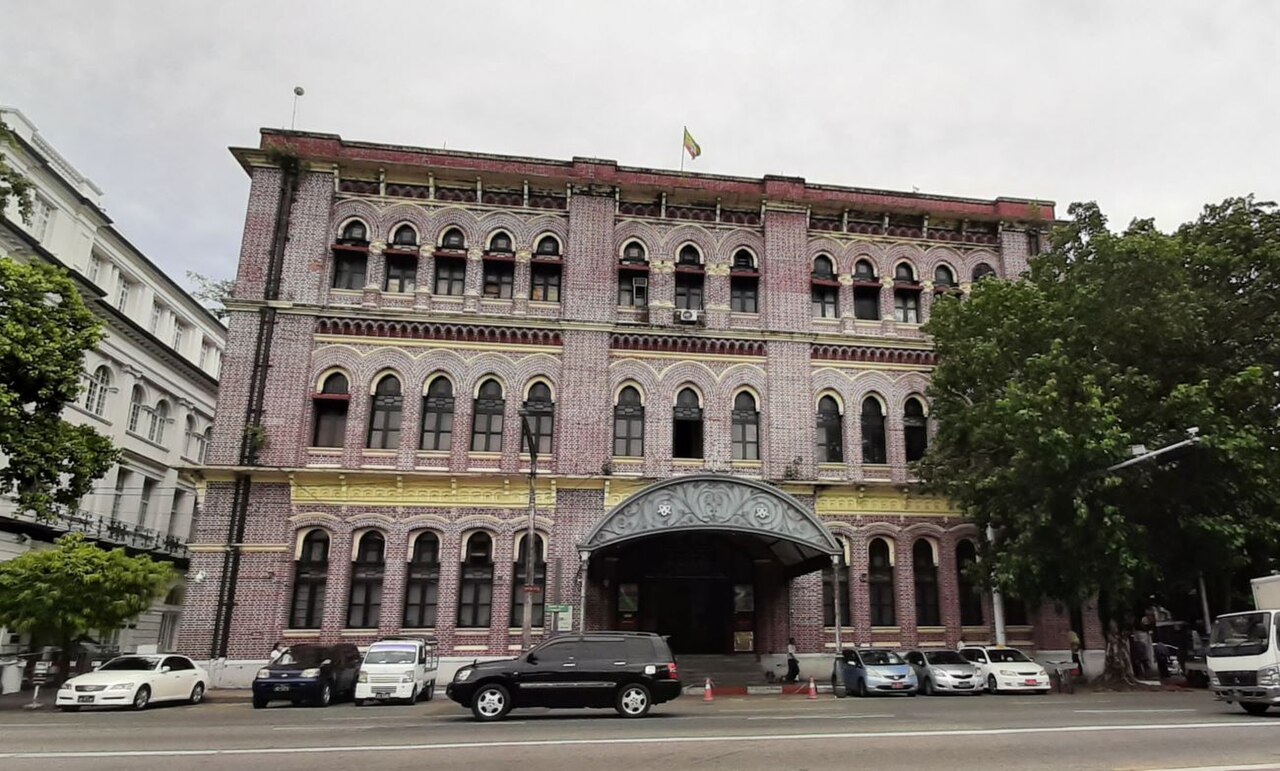
Walk along Strand Road and Pansodan Street. The High Court Building, with its red-brick Burmese-British hybrid architecture, still operates. The Secretariat, where General Aung San was assassinated in 1947, stands haunted and magnificent, recently opened for tours. The Strand Hotel, restored to colonial elegance, offers expensive drinks in a time-capsule setting—worth it for the atmosphere if you have extra time and budget.
These buildings tell a complex story of empire, independence, and neglect. They're beautiful and sad in equal measure, reminders that all power is temporary, all certainty an illusion.
Bogyoke Aung San Market: Treasures and Trinkets
Built in 1926 and originally called Scott Market, this sprawling indoor bazaar offers everything from precious rubies to knockoff longyi fabric. It's touristy, yes, but also genuinely used by locals, which gives it an authentic energy despite the souvenir stalls.
I wandered the jewelry section where vendors displayed jade bangles, rubies, and sapphires under glass. Myanmar produces some of the world's finest gems—but unless you're an expert, stick to buying for beauty rather than investment. The lacquerware section showed traditional Burmese crafts: intricately painted boxes, trays, and bowls. The textile stalls overflowed with silk longyis in every color imaginable.
Bargain respectfully. Prices start high, but vendors expect negotiation. I paid about 60% of the initial asking price for a small lacquerware box that now sits on my desk—a daily reminder of this place.
Sule Pagoda and Downtown Rhythm
The Sule Pagoda sits at a massive roundabout in the heart of downtown Yangon, a 2,000-year-old golden stupa surrounded by British colonial buildings and modern chaos. It's smaller than Shwedagon but no less revered, and its central location makes it the city's spiritual and geographic heart.
I loved the way life flows around it—street vendors, buses, pedestrians, all swirling in orbit around this fixed point of devotion. Inside, locals make quick offerings before work or during lunch breaks. Religion here isn't separate from daily life; it's woven through every moment.
The surrounding streets pulse with energy. Cross to Maha Bandula Park for a breath of green space and views back toward City Hall. Duck into side streets for tea shops where old men play checkers and discuss the day's news.
Chaukhtatgyi Buddha Temple: The Reclining Giant
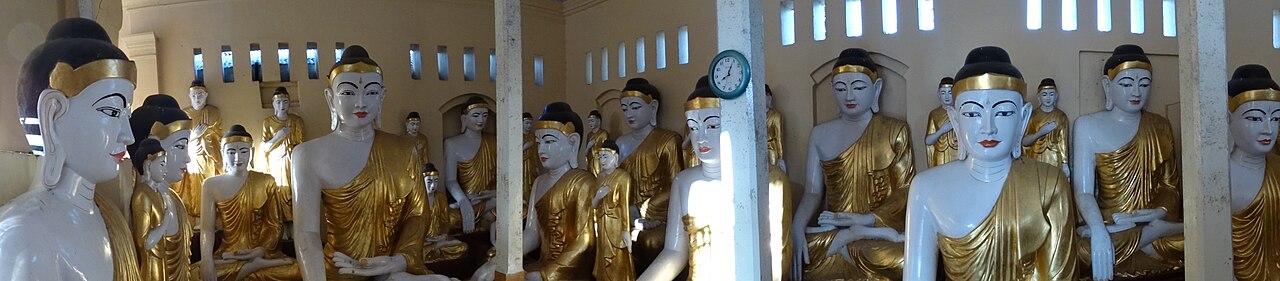
This massive reclining Buddha—65 meters long, adorned with glass mosaics and gold leaf—reclines peacefully under a corrugated roof in a northern Yangon neighborhood. The Buddha's eyes, inlaid with glass, seem to follow you with a gentle, knowing gaze. His feet bear the 108 sacred marks of the Buddha.
It's less crowded than Shwedagon, which gave me space to sit quietly and simply be present. An elderly nun approached and, in broken English, asked where I was from. When I told her, she smiled and said, "Long journey. Good heart." It wasn't a question. Then she shuffled away, leaving me with that benediction.
Tea Shop Culture: The Soul of the Street
If you do nothing else in Yangon, sit in a tea shop. These informal, open-air establishments are where Yangon's social life happens—men (mostly men, though this is changing) gather on tiny plastic stools to drink sweet, milky tea, eat samosas and fried snacks, smoke cigarettes, and discuss everything from football to politics.
I found a spot near Sule Pagoda and ordered "laphet yay cho"—strong tea with condensed milk. It arrived steaming and impossibly sweet. My fellow tea drinkers eyed me with curiosity, then returned to their conversations. The tea shop owner brought me a plate of samosas unasked, refusing payment. This is Burmese hospitality—generous, warm, expecting nothing in return.
Sit. Sip. Watch the world go by. This is Yangon's true heart, beating in tiny cups of tea on crowded sidewalks.
Weather & Best Time to Visit
Cruise Port Guide
Yangon welcomes cruise ships at two primary locations: Thilawa Port, a modern commercial facility roughly 25 kilometers south of the city center, and Botataung Jetty, which sits along the Yangon River much closer to downtown. The vast majority of international cruise vessels berth at Thilawa, meaning your first challenge upon arrival is the 45-to-60-minute drive into Yangon proper. Most cruise lines arrange shuttle buses or include transport as part of organized shore excursions, but independent travelers can negotiate private taxis at the port gates for around $40-50 USD as a full-day charter.
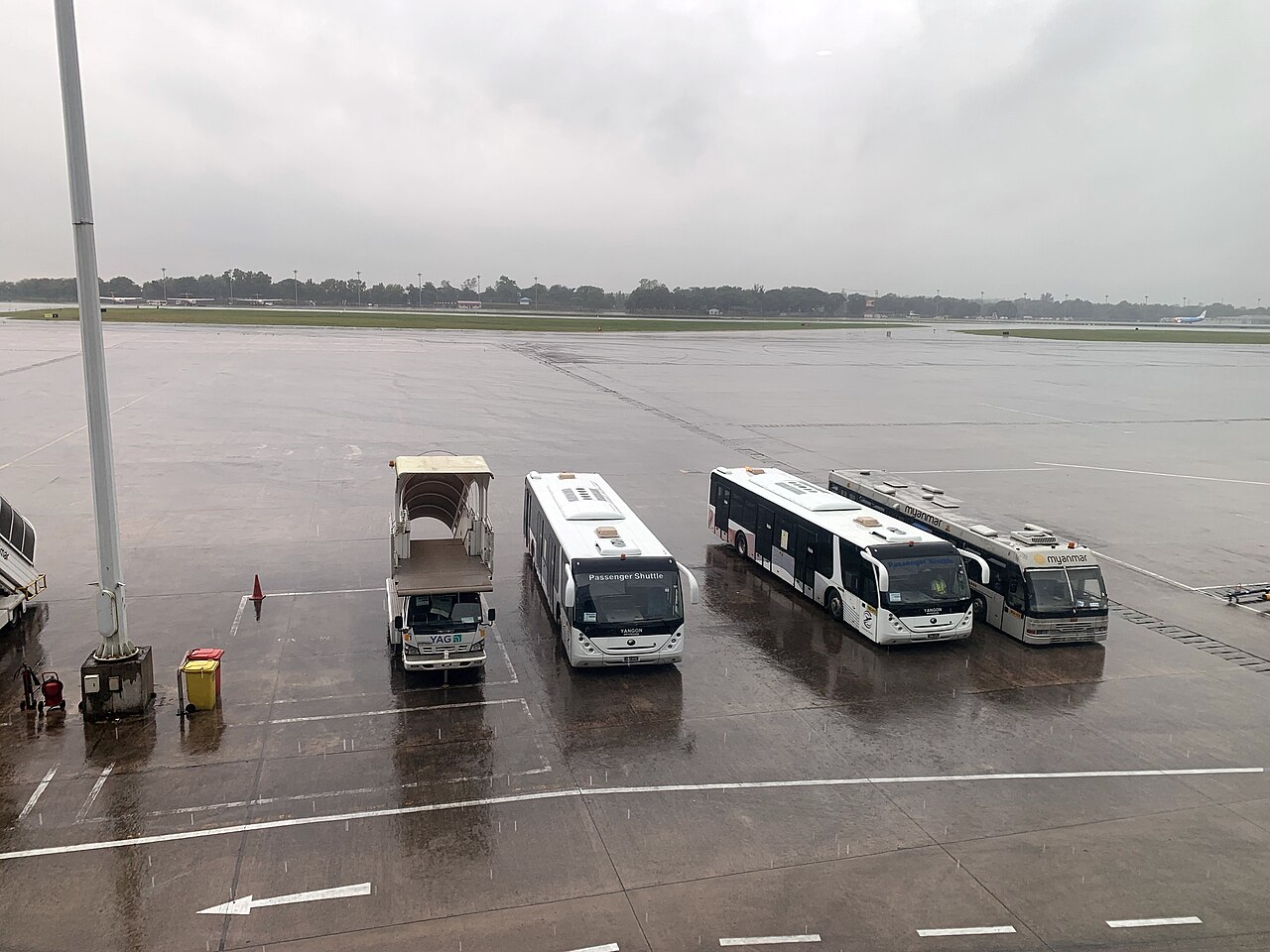
At Thilawa, port facilities are functional but not lavish—expect basic covered areas and limited amenities. There are no major shops or restaurants at the terminal itself. Wheelchair users and those with mobility concerns should note that the gangway angle varies with tidal conditions, and the terminal surfaces can be uneven. Requesting accessible transport in advance through your cruise line is strongly recommended. From Botataung Jetty, downtown attractions like the Sule Pagoda and Strand Road colonial buildings are within a 10-to-15-minute walk, making it the far more convenient option when available.
Most calls offer 8-12 hours in port, with some luxury and expedition lines providing overnight stays. Regardless of docking location, confirm your all-aboard time carefully—Yangon's notoriously congested traffic can turn a 30-minute drive into a 90-minute ordeal during rush hours. Budget extra return time, especially from the city's northern attractions like Shwedagon Pagoda back to Thilawa.
Getting Around Yangon
On Organized Tours: Most cruise passengers book shore excursions that include transportation, guides, and entry fees. This is the easiest option and ensures you'll return to the ship on time. The ship excursion option provides a guaranteed return to the vessel, which matters greatly given Yangon's unpredictable traffic.
Taxis: Taxis are plentiful but few have meters. Negotiate the price before getting in. From Thilawa Port to Shwedagon Pagoda expect to pay around $25-30 USD for the trip. Hiring a driver for the full day (8 hours) runs $40-60 depending on your negotiating skills.
Grab: The ride-sharing app Grab operates in Yangon, offering more transparent pricing and English-language booking. You'll need internet access (ship WiFi usually doesn't extend to the shore; consider a local SIM card if staying longer).
Walking: Downtown Yangon is walkable if you can handle heat and humidity. The colonial quarter, Sule Pagoda area, and riverfront can be explored on foot. Shwedagon Pagoda is further north and requires transportation. Sidewalks vary in condition—some are uneven or blocked by vendors, making wheelchair access challenging in older neighborhoods.
Circular Train: For the adventurous with extra time, the Circular Railway loops around Yangon in about 3 hours, offering glimpses of local life. It's slow, crowded, and absolutely fascinating—but probably too time-consuming for a single port day.
Yangon Area Map
Interactive map showing cruise terminal and Yangon attractions. Click any marker for details.
Excursions & Shore Tours
Booking guidance: Most Yangon attractions do not require advance tickets, but ship excursion options fill quickly for this port. Independent travelers should book ahead for private guides, as English-speaking guides are in high demand during peak season. Ship excursions offer a guaranteed return to the vessel, which matters in a city with unpredictable traffic. Going independent saves money and allows flexible timing.
Shwedagon Pagoda ($8-12 entry)
The Shwedagon Pagoda is the defining experience of any Yangon visit. This 99-meter-tall golden stupa, believed to enshrine eight hairs of the Buddha, has drawn pilgrims for over 2,600 years. The complex sprawls across a hilltop platform with dozens of smaller shrines, meditation halls, and planetary posts where devotees pour water and make offerings based on their birth day. Dress modestly—covered shoulders and knees required—and remove shoes before entering. The marble platform can be scorching at midday, so late afternoon or sunset visits are ideal. Hire a local guide ($15-25) to unlock the layers of meaning in this extraordinary sacred site. Budget 2-3 hours minimum.
Colonial Architecture Walk (free-$20)
Downtown Yangon holds one of Southeast Asia's largest collections of colonial-era buildings. Walk along Strand Road and Pansodan Street past the High Court Building, the former Secretariat where General Aung San was assassinated in 1947, and the restored Strand Hotel. Self-guided walks cost nothing; guided heritage walks ($15-20) provide deeper historical context. This low-energy option suits travelers who prefer moderate walking over strenuous activity. Allow 2-3 hours for a thorough exploration.
Bogyoke Aung San Market (free entry)
Built in 1926, this sprawling indoor bazaar offers precious gemstones, lacquerware, silk longyis, and everyday goods. Myanmar produces exceptional jade, rubies, and sapphires—though experts recommend buying for beauty rather than investment unless you're a trained gemologist. Bargaining is expected; aim for 50-60% of the initial asking price. The market is closed on Mondays and public holidays. Allow 1-2 hours to browse thoroughly.
Chaukhtatgyi Reclining Buddha (free)
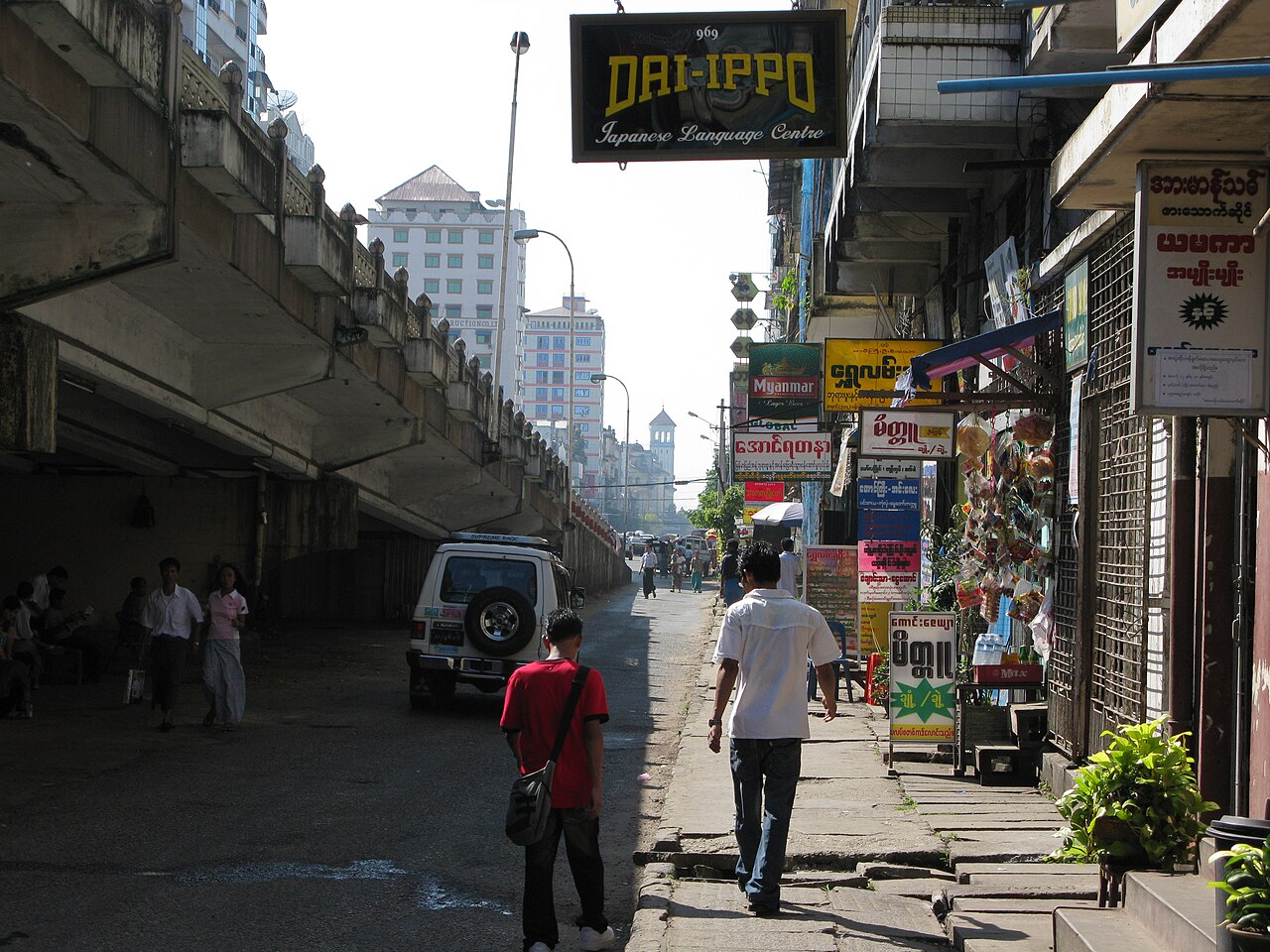
This massive 65-meter reclining Buddha adorned with glass mosaics and gold leaf rests peacefully in a northern Yangon neighborhood. Less crowded than Shwedagon, it offers a contemplative atmosphere and fascinating detail—the soles of the Buddha's feet bear 108 sacred marks. Combine with nearby Ngahtatgyi Buddha Temple for a quieter spiritual experience. Allow 30-45 minutes.
Yangon Circular Railway ($0.50)
The complete loop takes about 3 hours and passes through Yangon's suburbs, markets, and rural fringes. It's slow, hot, and utterly captivating—a window into local life that no guided tour can replicate. Only recommended if you have extended port time or an overnight stay. Board at Yangon Central Station downtown.
Tea Shop Experience (free-$5)
Sitting in a Yangon tea shop is an essential cultural experience. Order lahpet yay cho (sweet milky tea) and lahpet thoke (fermented tea leaf salad) at any roadside establishment. The cost is minimal—a full tea and snacks session rarely exceeds $3-5. This is where Yangon's social life happens, on tiny plastic stools with cups of impossibly sweet tea.
DIY vs. Ship Excursion: Shwedagon Pagoda Visit
DIY Independent ($30-50/person)
- Hire a taxi for the day ($40-60 total, split among group)
- Pagoda entry fee $8-12 per person
- Flexible timing—arrive at sunset for the best experience
- Combine with other stops at your own pace
Ship Excursion ($80-150/person)
- Air-conditioned transport from Thilawa Port
- English-speaking guide with deep local knowledge
- Often bundled with colonial walk and market visit
- Guaranteed return to ship—no traffic worries
Local Food & Drink
Burmese Curry: Unlike Thai or Indian curries, Burmese curries are oil-rich, mild, and served with an array of side dishes—rice, soup, raw vegetables, and condiments. They're meant to be eaten communally, mixing and matching flavors.
Mohinga: Myanmar's national dish—a rice noodle soup with fish broth, flavored with lemongrass and ginger, often eaten for breakfast. Street vendors serve it from massive pots each morning.
Tea Leaf Salad (Laphet Thoke): Fermented tea leaves mixed with cabbage, tomatoes, peanuts, fried garlic, and dried shrimp. It's sour, crunchy, complex, and uniquely Burmese. Try it.
Street Snacks: Samosas (influenced by India), spring rolls, grilled meats on skewers, fresh fruit. The street food scene is vibrant, though cruise passengers with limited time might want to stick to established restaurants to avoid digestive issues.
Myanmar Beer: The local brew is light, refreshing, and perfect in the heat. Available everywhere.
Sweet Tea: As mentioned, tea shop culture is central to Yangon life. The tea is strong, sweet, and served with condensed milk. It's an experience as much as a beverage.
Pro Tips for Yangon
- Dress modestly: When visiting pagodas, cover shoulders and knees. You'll remove shoes before entering (socks are fine), so wear shoes that slip on and off easily. The marble can be hot underfoot in midday sun.
- Bring crisp US dollars: Myanmar is particular about the condition of foreign currency. Bills should be new (post-2013), uncreased, and unmarked. Torn or old bills may be refused.
- Photography etiquette: Always ask before photographing people, especially monks. Never point your feet at Buddha images or monks. Photography is allowed in most pagodas but be respectful.
- Bargain respectfully: In markets, vendors expect negotiation, but be fair. The few dollars you save might mean much more to them than to you.
- Timing matters: Visit Shwedagon at sunset for the most magical light. Markets are liveliest in the morning. Tea shops buzz throughout the day but especially morning and late afternoon.
- Stay hydrated: Yangon is hot and humid year-round. Carry water, seek shade, pace yourself.
- Political sensitivity: Myanmar's political situation is complex and sometimes tense. Avoid political discussions, respect that local people may not feel free to speak openly, and travel with awareness and humility.
- Support local businesses: If you choose to visit Myanmar despite political concerns, direct your money to local guides, family-run restaurants, and artisans rather than government-connected enterprises.
Depth Soundings
Yangon is not a place that reveals itself quickly. The golden dazzle of Shwedagon can make you think you've understood something, but the real depth of this city lives in its quieter corners—in the crumbling plaster of colonial facades where banyan roots have made themselves at home, in the precise choreography of a tea shop owner pouring from kettle to cup without spilling a drop, in the way monks walk their morning alms rounds through streets already choked with traffic and diesel fumes.
The honest truth is that Yangon challenges Western travelers in ways that more polished Southeast Asian ports do not. Infrastructure is limited compared to Bangkok or Singapore. Power outages still occur. Traffic congestion rivals any megacity on earth. Sidewalks buckle and flood in monsoon season, and the city's aging drainage systems struggle with tropical downpours. Wheelchair users and travelers with limited mobility will find significant obstacles outside the major tourist sites; even Shwedagon's marble platform, while flat, requires navigating uneven entrance stairways unless you use the elevator on the eastern approach.
Yet these rough edges are inseparable from what makes Yangon compelling. This is a city where modernity hasn't yet smoothed away the texture of daily life. The flavors are more intense because the food comes from street stalls rather than sanitized food courts. The encounters feel more genuine because tourism hasn't yet become the dominant economic force. The spiritual atmosphere at Shwedagon hits harder because the devotion you witness isn't curated for visitors—it's simply how people here have lived for millennia. Spend your money wisely, tip your guides generously, and carry the memory of Yangon's stubborn grace long after your ship has sailed.
Gallery
Frequently Asked Questions
Where do cruise ships dock in Yangon?
Cruise ships dock at Thilawa Port (about 25km south of Yangon) or occasionally at Botataung Jetty along the Yangon River. Shore excursions typically provide transportation into the city center, which takes 45-60 minutes from Thilawa.
What's the best way to visit Shwedagon Pagoda?
Visit Shwedagon Pagoda at sunset for the most magical experience when the golden stupa glows. Dress modestly (covered shoulders and knees), remove shoes before entering, and hire a local guide to understand the deep spiritual significance of this 2,600-year-old Buddhist site.
What currency is used in Yangon?
Myanmar uses the Kyat (MMK). US dollars are widely accepted, but bring newer, crisp bills (post-2013) as older or damaged bills may be refused. ATMs are available in Yangon, though it's wise to carry some cash for markets and street vendors.
Is it safe to visit Yangon on a cruise?
Yangon is generally safe for tourists, with low rates of violent crime. Standard precautions apply—watch for pickpockets in crowded markets, use reputable transportation, avoid political demonstrations. The bigger question for many travelers is ethical rather than safety-related (see below).
Is it ethical to visit Myanmar?
This is a personal decision. Myanmar has faced political turmoil and human rights concerns. Some travelers choose to visit to support local people directly through small businesses and guides, while others prefer to wait for political stability. Research current conditions and travel mindfully if you go.
What should you wear in Yangon?
Lightweight, breathable, modest clothing. For pagoda visits: covered shoulders and knees (both men and women). Bring shoes that slip off easily since you'll remove them frequently. A hat and sunscreen for sun protection. Locals often wear longyis (traditional wraparound skirts); visitors are welcome to do the same.
How much time do I need at Shwedagon Pagoda?
Allow at least 2-3 hours to properly experience Shwedagon. You could spend longer—there's so much to see, and the atmosphere invites contemplation. If your ship's time in port is limited, prioritize this over other attractions.
Can I use bank or charge cards in Yangon?
Major hotels and some upscale restaurants accept credit cards, but Myanmar remains largely a cash economy. Bring sufficient US dollars or withdraw Kyat from ATMs (available in Yangon).
What is the best time to visit Yangon?
Peak cruise season is November through February — Myanmar's cool dry season, with comfortable temperatures and the most reliable conditions for Shwedagon Pagoda visits and city walks. March-May is the hot dry season (highs above 100°F). June through October is the southwest monsoon with heavy rain.
What is Yangon's monsoon and storm season?
The hazard-note on this page reads: "Myanmar's coast faces Bay of Bengal cyclones, though Yangon's location up the river offers some protection. Cruise lines monitor conditions and will modify itineraries for safety. Travel insurance recommended for monsoon season visits." The glance Rain entry reads "Monsoon May–Oct; dry Nov–Apr," and the Wind entry reads "Southwest monsoon in wet season." Specific storm history is not detailed on this page; for current tropical-system status, use the live weather widget in the seasonal panel above.
Will rain ruin my Yangon port day?
The glance Rain entry reads "Monsoon May–Oct; dry Nov–Apr," and the hazard-note adds: "Travel insurance recommended for monsoon season visits." For short-term forecasts on a specific sailing date, the live weather widget in the seasonal panel above is the primary source.
I left Yangon with more questions than answers. How do you love a place whose government you can't support? How do you witness beauty and injustice existing side by side? How do you receive hospitality from people who have so little and have suffered so much?
There are no easy answers. But I think about that woman circumambulating Shwedagon, about the tea shop owner who gave me free samosas, about the nun who blessed my "long journey" and "good heart." These people aren't waiting for perfect circumstances to live with grace and generosity. They're doing it now, in the midst of everything.
Maybe that's the lesson Yangon teaches: that beauty and devotion and kindness don't require ideal conditions. They happen anyway, stubbornly, persistently, like gold glowing in the last light of day. We show up. We bear witness. We walk our path. And somehow, mysteriously, that matters.
Last reviewed: February 2026