


The trip in one paragraph: Five nights aboard Radiance of the Seas from Port Everglades, Nassau, CocoCay, sea days at the right intervals. Radiance is the original of the four-ship Radiance class: 90,090 gross tons, 2,143 guests at double occupancy, launched in 2001. Smaller than Royal Caribbean's marquee ships by a wide margin. We sailed with a family member recovering from knee-replacement, and the accessibility experience shaped most of what we noticed.
Who This Is For
Anyone considering Radiance specifically, or a smaller mid-size Royal Caribbean ship in general. The Radiance class is the line's quietest current fleet: older, smaller, less waterpark, more glass. The notes here include accessibility specifics that apply extra if you sail with mobility constraints or hidden disabilities.
Radiance is the original of a four-ship class Royal Caribbean built between 2001 and 2004: the others are Brilliance, Serenade, and Jewel. Mid-size by any honest measure: about half the gross tonnage of Oasis-class, a third of Icon-class. The class signature is glass: glass-walled elevators, glass-walled lounges, broad views from interior spaces that bigger ships build deck count instead of windows. Radiance is now twenty-four years old at the time of this sailing, and she shows it in small ways. None of them ruined anything.

Embarkation at Port Everglades
Boarding at Port Everglades was the standard fast Florida embarkation: we arrived around 11 a.m., cleared check-in without delay, and were aboard within twenty minutes of stepping out of the cab. Port Everglades runs one of the tightest cruise terminals in the country; if your flight lands at Fort Lauderdale–Hollywood, the terminal is a ten- to fifteen-minute drive.
We upgraded the stateroom through Royal Up close to sailing, the cruise line's bid-an-upgrade program, and the port team handled the room switch without any of the friction the program's reputation might suggest. New SeaPass card at check-in, new cabin number on the board, done.
First stop after dropping carry-ons was the Windjammer for lunch. The burger bar is the part most people skip past on their way to the bigger stations; it's worth the stop. Patties cooked to medium without the sad over-cook most buffet burgers default to. The pickles were properly assertive, vinegary, not sweet, which separates a real cruise-ship pickle from the bored garnish version. Muster drill ran on the app this trip, the way every line does now post-COVID; no lineups in the muster station.
Dining, the People, Then the Food
The crew at sea is the entire product. Radiance's was the strongest part of this trip.
Main Dining Room
Our waitress in the MDR was Jay. She steered us through the menu, kept plates moving, and remembered preferences from the second night on. The lobster tail night was the kitchen at its best: succulent, not rubbery, butter on the side. The MDR on Radiance is a single-room operation rather than the multi-level setups on bigger ships; the room reads more like a hotel dining room than a theater, which suits this size of ship. If you've been on an Oasis-class MDR and felt the volume, you'd find Radiance's quieter.
Chops Grille
The filet at Chops Grille was the kind of filet that doesn't need anything but salt: cooked medium-rare, rested correctly, sliced clean. Rother served us; he had the steakhouse rhythm down. Specialty dining on a Royal Caribbean cruise pays off most when you book one of the steakhouse meals, Chops is consistent across the fleet, and Radiance was no exception.
Izumi
Jelly at Izumi turned dinner into a conversation. From the Philippines, two years onboard, the kind of crew member who genuinely remembers a guest's order and brings out a sample of the thing they didn't quite order but might like. The sashimi was clean and bright, the poke bowl balanced, the futomaki rolled tight. Izumi is one of the better fleetwide upgrades Royal Caribbean has made in recent years, and Radiance's version held up.
Samba Grill
The standout meal of the trip. Samba Grill, the Brazilian-style churrascaria with gauchos working tables in Old West–leaning costume, was the best single dinner of the cruise. The filet and lamb were both cooked to medium-rare, juicy, properly rested, served until we waved the disc to "no more." The pork with mustard and parmesan was divisive at the table; some of us loved it, others wanted plainer seasoning. The fixed price plus the entertainment-as-service angle made it the easy 10/10 of the week. Samba runs on the four Radiance-class ships and on Allure of the Seas. If you sail any of them, it's worth booking at least once.
Breakfast at the Aft Windjammer
Same trick that works on every Royal Caribbean ship: bring a coffee, find an aft table on the Windjammer's outdoor deck, sit with smoked salmon on a toasted bagel, and watch the wake fan out behind. Less crowd than the inside Windjammer, more breeze, and the only seats on the ship that face the way you came rather than the way you're going. The wake view is the better view almost everywhere; it's especially true at breakfast.
Entertainment, What Worked, What Didn't
Piano Man. Tribute set to Elton John, Stevie Wonder, and Barry Manilow. The setlist skewed earlier than most of the room expected, but the musicianship was real. The kind of show where the performer is doing the harder work of staying in character rather than just running familiar songs.
The comedy juggler. Charmed us. The 10-ring finale earned a real cheer. His onstage crew sidekick had the patient straight-man timing that good comedy needs.
"The Lost City." The production show in the main theater. The script jumped between scenes more than it needed to, but the leads carried it. Vocal chemistry strong enough that the table debated for an hour afterward whether they were a couple off-stage. The shows on Radiance-class are smaller than the marquee productions on Quantum or Oasis-class, but they earn their seats.
A theater movie night. "The Ballad of Wallis Island" was on the cruise rotation that week. Popcorn, dim lights, and a film about quietly held love and the courage to move forward. Exactly the kind of evening a sea-day rest day calls for. Royal Caribbean's theaters do a credible job with the movie program when you don't want a high-production show.
The Ship at Twenty-Four

Radiance is twenty-four years old. That shows. Mostly in small ways.
Subtle rust at deck-edge joints. A faint mildew smell on the Deck 9 cabin corridor in one stretch. Theater seats with the wear pattern a busy showroom will produce over two decades. Our balcony cabin needed light housekeeping attention twice in the first day. Small things the prior occupant's turnover missed, plus a balcony glass with a haze pattern that wanted a fresh wipe. Those got handled with one polite call to the stateroom attendant.
The piece worth flagging for other cruisers: the air-conditioning. Our cabin's A/C struggled in the early afternoon for the first two days. Maintenance came twice. The fix turned out not to be the A/C, it was the balcony curtain. Direct afternoon sun through a balcony door's glass loads the room with heat faster than the wall unit can keep up. Closing the heavy curtain through the hottest hours stabilized the cabin for the rest of the trip. We initially resisted, half of why we paid for a balcony was the view, but the lesson stuck. On older ships especially, the balcony curtain is part of the cooling system, not just a privacy screen.
None of this added up to a complaint. The wear is honest wear, the kind that telegraphs character on a ship in continuous service since 2001. The fixes were responsive. And the crew, Jay in the MDR, Rother in Chops, Jelly at Izumi, more than made up for any structural age the ship was showing.
Accessibility, and the Door-Holder
We sailed with a family member recovering from a knee replacement, which moved accessibility from background concern to daily logistics.
Onboard, Radiance does the basics well. The accessible cabin design is consistent with the Royal Caribbean standard: wider doorways, roll-in showers, grab bars in the right places, lever handles instead of knobs. Hallways have enough width for a walker or wheelchair to pass another. Elevators handle the load most hours but stack up at the standard rush windows (5 to 7 p.m. for early dining, 9 a.m. on port days, 10 p.m. for late-evening shows). The Centrum's glass elevators are the class signature. A real visual treat, and worth the wait once during the week even if you're not specifically going anywhere.
Off the ship, the accessibility experience varies. Nassau has sidewalks that vary between excellent and badly maintained within a single block. Buses and bikes occasionally block the cuts at corners. Partial mobility helped us navigate; a full-time wheelchair user would want to plan the day with the cruise line's accessibility desk and have a backup plan. CocoCay is mostly sand, and sand defeats wheels. Even the beach wheelchairs need a push. The CocoCay staff drove us close to the beach setup, which solved most of the problem.
The moment from this trip that I will remember longest happened at an elevator bank on Deck 4. Two elderly women in wheelchairs were waiting for an elevator. The doors opened, a crowd pressed forward, and the women rolled to the back of the elevator-shaped queue more or less by default. They told us afterward, at dinner that night, that the experience had left them feeling "invisible." It is the right word. Movement is the kind of thing the able-bodied don't notice they're prioritizing.
At the next elevator over, a young man, couldn't have been twenty-five, held the door open and gently asked the people pressing in to wait. He nodded the two women and their family forward first. He held the door until everyone in their party was inside. He didn't lecture. He didn't make it dramatic. He just held the door.
It was the entire accessibility program on that ship that day, distilled. Policy can do a lot. Crew training can do a lot. The thing that turned an elevator into a welcoming space was a stranger choosing to slow down.
Hidden disabilities, Sunflower and Royal Caribbean's autism program
Two layers of support beyond the standard accessible-cabin design are worth knowing about. The Hidden Disabilities Sunflower lanyard, an international program signaling that the wearer may need extra time, patience, or quieter accommodation, is recognized at a growing number of cruise ports, including Nassau Cruise Port. Royal Caribbean's onboard autism-friendly program, separate from the lanyard, trains crew to recognize and accommodate guests with autism, Down syndrome, and other developmental differences: expedited boarding when needed, sensory-friendly activity options, and crew who are briefed on the basics rather than improvising. Neither program advertises hard; both are real, and both meaningfully improve the trip for the families who use them.
The broader Accessibility page covers the cabin features, the muster process, the cruise-line accessibility desks, and the ports-by-port mobility notes. Radiance scored well on most of the categories.
Nassau and CocoCay
Nassau
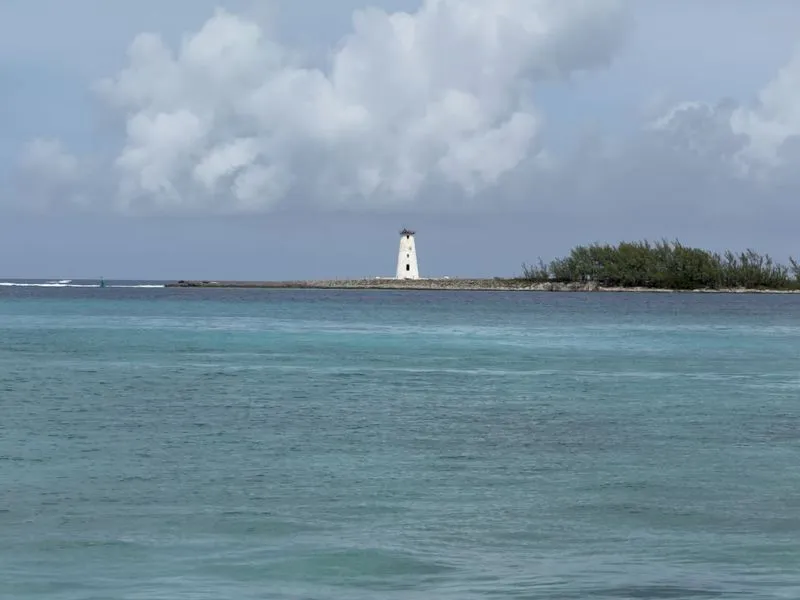
The port was busy, three ships in besides us. The Bay Street strip moves slowly when that's the case, and the cab queues stack. We had lunch at Oh Andros, a fish house off the main tourist crush, and the fried snapper and conch lived up to the reputation. Note on cab fares: agree on the number before you get in. The going rate Nassau-to-Atlantis is well-known and standard, but rates to less-common destinations get negotiated, and a verbal agreement before the wheels turn saves the awkward conversation at the destination.
The Nassau port guide covers the broader options: Atlantis day passes, Junkanoo Beach, Fort Fincastle, the Straw Market. The Bay Street strip during a three-ship day is a high-friction experience for anyone with mobility constraints; consider booking the cruise-line accessible excursion option or a private driver with a ramp van.
CocoCay
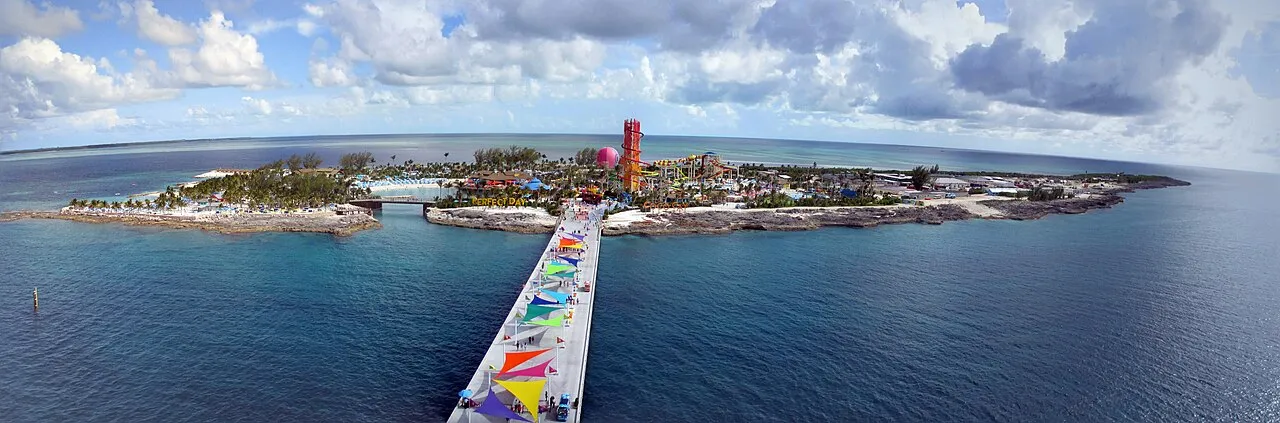
A storm system was passing well to the east. Not on top of us, but close enough that the snorkel operation closed for the day. (Royal Caribbean's marine team is rightly conservative about reef visibility and swimmer safety; the closure was the correct call.) The BBQ at Chill Island was the standout food. The brisket and the pulled pork both pulled off the kind of long-smoke flavor you don't expect on a cruise-line private destination. The tacos at the Mexican station were solid. We swam, we read, we ate, and we prayed for the parts of Jamaica that were taking the actual brunt of the storm. There's a humbling dimension to enjoying a beach day while the system that's costing you snorkel is wrecking someone else's house a few hundred miles away.
The CocoCay port guide covers the longer list: Thrill Waterpark, the Coco Beach Club upgrade, Up Up and Away, the cabanas, the day-pass economics. We did the included beach day; for a 5-night trip with a recovering knee in the party, that was the right call.
What I'd Tell Someone Booking the Same Trip
Book Samba Grill on a sea day. Radiance-class ships and Allure of the Seas only. The single best meal on Radiance. Worth the cover.
Close the balcony curtain through the hot afternoon hours. Older ships' wall A/C units struggle against direct-sun heat load. Lose the daylight view for two hours; gain a cabin that holds temperature for the rest of the day.
Use the Royal Up bidding system if your finances allow. The room-category bids that succeed are usually the ones in the lower bins; the lottery isn't designed to be predictable. Bid what the upgrade is genuinely worth to you, not what you think will "win." We got a balcony for a number that surprised us.
For accessibility, book your shore experience through the cruise line's accessibility desk. The standard excursion booking flow doesn't always flag the mobility differences; the dedicated desk does, and they have ports' worth of information about which excursion buses have lifts, which beaches have hard paths, which restaurants are step-free at the entrance.
For Radiance specifically, lean into the size. She's smaller and quieter than the Royal Caribbean ships that get most of the press. The Centrum, the glass elevators, the smaller theater, the manageable pool deck. All of it adds up to a cruise that's about being on the ocean rather than on a floating amusement park. If that's what you want, Radiance delivers.
And to the young man at the elevator bank on Deck 4, thank you. You did more for accessibility that afternoon than the policy documents on either of our shelves. Door-holding is a small art. It carries. We saw it. It mattered.
The wider planning tools, the Drink Calculator, Budget Calculator, Tipping Calculator, Stateroom Check, Ship Size Atlas, Port Day Planner. Handle the math the rest of the way. Voyage Packs are a paid product. The rest of the planning tools on this site are free.
Related Articles & Tools
- Radiance of the Seas, ship guide
- Port Everglades (Fort Lauderdale), port guide
- Nassau, port guide
- CocoCay, port guide
- Chops Grille
- Izumi
- Samba Grill
- Windjammer Marketplace
- Ten Days on Quantum of the Seas, sister logbook
- Stateroom Sanity Check
- Is the Drink Package Worth It?
- The Royal Beach Club Collection in 2026
- Accessibility on Cruises
- Solo Cruising