
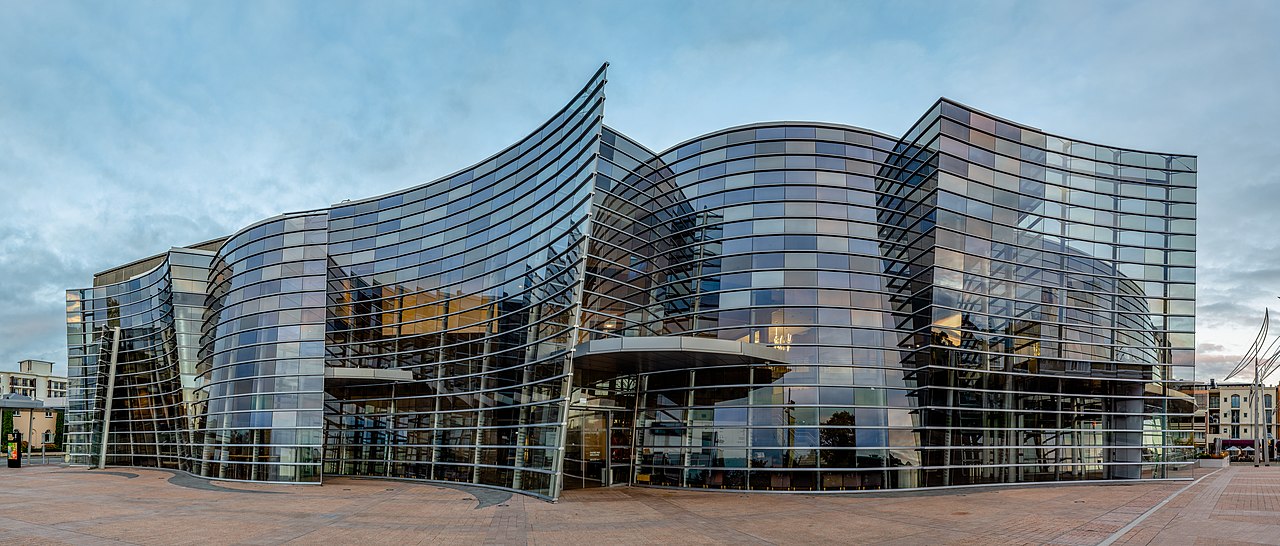
Photo: Wikimedia Commons (CC BY-SA)
Last reviewed: February 2026
Weather & Best Time to Visit
Key Facts
- Country
- New Zealand
- Region
- Antarctic
- Currency
- New Zealand Dollar (NZD)
- Language
- English, Te Reo Māori
Christchurch (Lyttelton), New Zealand
The Garden City Rising: Resilience, Beauty, and Antarctic Dreams
Quick Answer: Christchurch is New Zealand's Garden City, rebuilt after the 2011 earthquake with creativity and courage. Visit the Cardboard Cathedral, punt the Avon River, explore Botanic Gardens established in 1863, and ride the gondola for Southern Alps views.
My Logbook: Where Civilization Meets Resilience
I've sailed into many harbors where you can feel a city's story in the air before your feet touch the dock. Lyttelton is one of those rare places. As our ship rounded the volcanic crater rim that forms this deep-water port—the same harbor that welcomed the first settlers in 1848—I could see the small harbor town clinging to the hillsides, and beyond it, the sprawl of Christchurch spread across the Canterbury Plains with the Southern Alps rising like a promise on the horizon.
What makes Christchurch extraordinary isn't just its beauty—though the "Garden City" moniker is well-earned—but its spirit. This is New Zealand's oldest established city, granted its Royal Charter on July 31, 1856, and named after Christ Church, Oxford, at the suggestion of founder John Robert Godley. It was built deliberately, methodically, with English order and gardens at its heart. And then, on February 22, 2011, at 12:51 in the afternoon, the earth shook with a fury that would claim 185 lives and record a Modified Mercalli intensity of IX—the strongest earthquake ever recorded in an urban area in New Zealand. The September 2010 quake had been a warning; this one was devastation made manifest.
The ground liquefied. Heritage buildings crumbled like sandcastles. The Gothic Revival cathedral that had stood watch over the city for more than a century collapsed into rubble. What followed was not just a cleanup but the largest economic undertaking in New Zealand's history—a NZ$20-30 billion rebuild that would redefine what this city meant to itself and to the world.
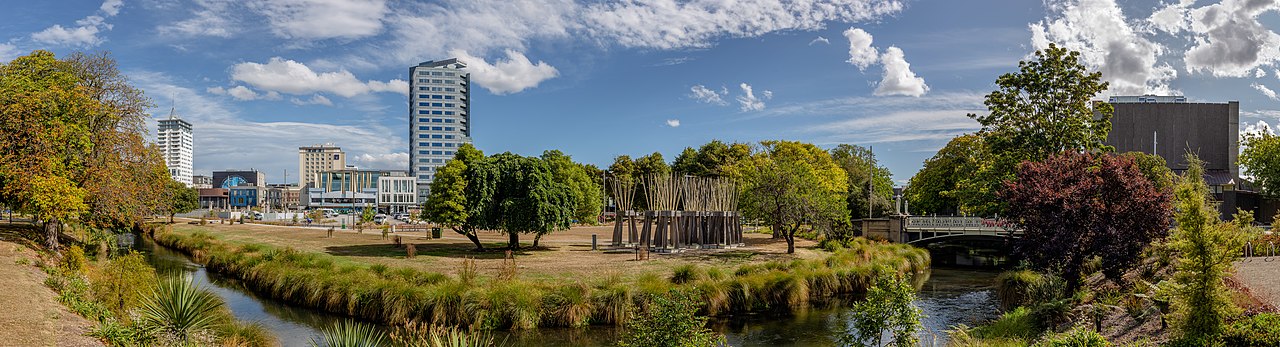
Yet what I witnessed walking these streets was something I've rarely encountered: a city that chose to rebuild not just with pragmatism, but with imagination and soul. The air here carries the scent of earth and flowers, even in the port area. By the time I reached the Botanic Gardens—nearly 21 hectares that have been growing since 1863—I understood why. This city has always been about cultivating beauty, about English sensibilities transplanted to the South Pacific. But the earthquakes forced a reckoning, and the new Christchurch is something more hopeful still—a blend of tradition and audacious innovation.
I walked from the gardens along the Avon River, past willows trailing their fingers in the current. Halfway to Cathedral Square, I stopped at a vacant lot where the outline of a former building had been marked with painted rocks. Someone had planted a small garden inside the footprint — herbs and sunflowers growing where offices once stood. A hand-painted sign read: "This was Patterson's Insurance. Now it belongs to everyone." I stood there a long time, listening to sparrows in the sunflowers. A woman walking her dog paused and said, "This used to be my husband's office." She smiled, not sadly. "He quite likes the garden better." The whole city felt like that — acknowledging what had been lost while insisting something still grows.
At Cathedral Square, the ruins of the old stone cathedral stood behind fencing, its spire gone, its nave open to the sky. Across the square, a busker played violin, and two teenagers skateboarded past a bronze statue of John Robert Godley, the city's founder. The juxtaposition was the city in miniature: heritage, damage, youth, music, all sharing the same ground. I bought a flat white from a nearby café and sat on a bench, watching pigeons and people, letting the place settle into me before walking over to find what Ban had built from cardboard.
The Moment That Stays With Me:
Standing inside the Cardboard Cathedral, afternoon light filtering warm and golden through the triangular cardboard tubes that form the structure's walls, I felt something shift in me. The space was hushed—only the soft shuffle of visitors' feet on polished concrete and the distant sound of birdsong drifting through the open doors. This building—meant to be temporary after the earthquake destroyed the Gothic cathedral—has become an icon in its own right. Japanese architect Shigeru Ban used industrial cardboard tubes, shipping containers, and faith to create something both humble and transcendent. A local woman sitting in a pew, her eyes glistening, reached for my hand. "We learned we could build beauty from what the world calls temporary," she whispered. My heart ached then—for her, for this city, for the 185 lives lost on that February afternoon. But the tears that welled in my eyes were not grief alone. They were gratitude. Sometimes what we imagine as provisional becomes permanent not because we plan it that way, but because it speaks a truth we need to hear. Christchurch rebuilt itself with cardboard and courage, and the result is a city more interesting, more human, than what stood before. The Transitional Cathedral, as it's formally known, stands as a symbol of hope—proof that devastation can clear space not just for rebuilding, but for reimagining.
The Cruise Port
Where Ships Dock: Cruise ships berth at Lyttelton Port, cradled in a volcanic harbor about 12 kilometers from central Christchurch. This is the same deep-water port that welcomed the first Canterbury settlers in 1848, and it retains a working-harbor authenticity that I found refreshing. The town of Lyttelton itself climbs the hillsides with bohemian charm—historic pubs, cafés with harbor views, art galleries, and a Saturday farmers market that's worth catching if your timing aligns. The port area feels lived-in, not manufactured for tourists, which sets the tone for the authenticity you'll find in Christchurch proper.
Getting to the City: Shuttle buses meet most cruise ships and transport passengers to central Christchurch (typically 20-25 minutes depending on traffic and whether you take the tunnel or the scenic route over the hills). Taxis are available but cost more. Some passengers enjoy taking the public bus from Lyttelton through the Port Hills tunnel—it's economical and gives you a local's perspective, sharing space with commuters and students heading into the city.
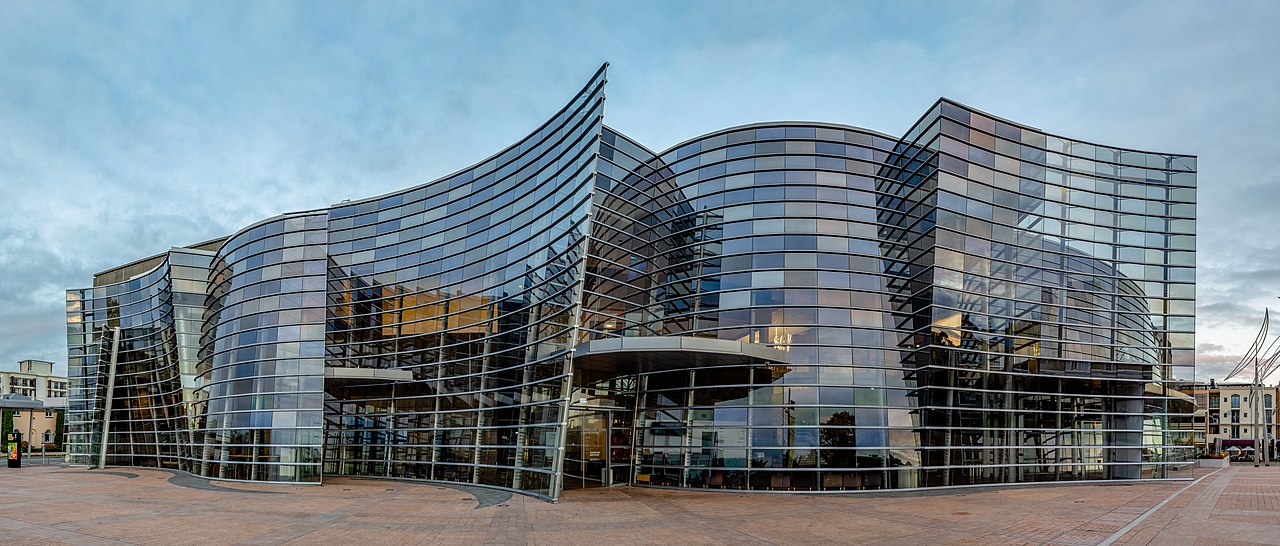
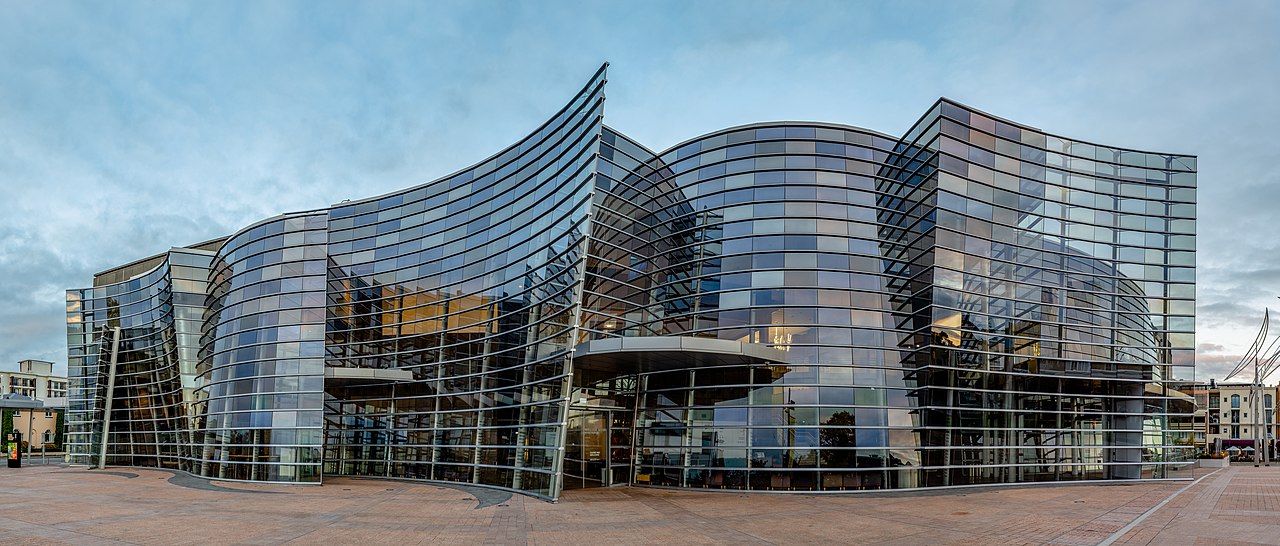
First Impressions: The drive from Lyttelton into Christchurch takes you through or over the Port Hills, offering spectacular views back toward the harbor and forward across the Canterbury Plains to where the Southern Alps rise in the distance. You'll immediately notice the mix of old and new architecture—Victorian buildings that survived the earthquakes standing alongside strikingly modern structures, creating a visual timeline of the city's recovery. It's jarring at first, then fascinating. The past and present exist side by side here in ways that few cities can claim.
Time Needed: For a substantive visit, allow 6-8 hours. If you have a full day, you can combine city highlights with a trip up the gondola or a more leisurely exploration of the Botanic Gardens and Hagley Park. The city center is compact and walkable, which helps maximize your time ashore. I found that the experiences here reward slow movement—punting, garden walking, quiet contemplation in the Cardboard Cathedral. This isn't a city to rush through.
Getting Around
Walking: Central Christchurch is highly walkable, and I recommend exploring on foot whenever possible. From Cathedral Square, you can reach the Botanic Gardens, Canterbury Museum, Cardboard Cathedral, and Avon River punting within 15-20 minutes. The city invested heavily in pedestrian-friendly infrastructure during the rebuild—wider sidewalks, improved crossings, and thoughtful urban design that makes walking genuinely pleasant. You'll notice art installations, pocket parks, and green corridors that weren't part of the pre-earthquake city. This is a place designed for human-scale movement.
Trams: The heritage tram system loops through central Christchurch, passing many key attractions in vintage carriages that somehow survived or were restored after the earthquakes. It's both transportation and sightseeing—the restored trams add charm, and the conductors provide commentary that adds historical context. A day pass ($25 NZD) allows unlimited hop-on/hop-off access, which makes it easy to cover ground while resting your feet.
Buses: The city bus system (Metro) is reliable, affordable ($3-5 NZD per trip), and increasingly modern. The network covers greater Christchurch, including regular service to Lyttelton, Sumner beach, and residential areas. Real-time tracking apps make navigation straightforward. I rode the bus through the Port Hills tunnel and found it a pleasant way to share space with locals heading about their daily routines.
Taxis and Rideshares: Both traditional taxis and Uber operate in Christchurch. They're convenient for reaching the Gondola, the airport Antarctic Centre, or other attractions outside the central city core, though more expensive than public transit. Drivers tend to be knowledgeable about the earthquake rebuild and happy to share stories if you express interest.
Bicycle Rentals: Christchurch is largely flat and bike-friendly, which makes cycling a genuine pleasure. Several rental operations offer hourly or daily bikes ($20-40 NZD), and dedicated cycle lanes make riding safe and intuitive. The Avon River trails are particularly scenic for cycling—you'll ride past the Botanic Gardens, through Hagley Park, and along tree-lined paths that capture the Garden City character beautifully.
Port Map
Interactive map showing Lyttelton Port, central Christchurch, and key attractions including the Botanic Gardens, Cardboard Cathedral, and Christchurch Gondola.
Shore Excursions & Things to Do
Booking guidance: Most attractions are walk-up friendly, but book ahead for Christchurch Gondola during peak cruise season and for punting experiences on busy days. The Antarctica Centre near the airport requires advance booking for full experiences. Book independent excursions directly through operators for better prices than ship tours. Reserve Antigua Boatsheds punting online at antiqueboatsheds.co.nz, especially for weekend cruises.
Christchurch Botanic Gardens & Hagley Park
The Botanic Gardens—nearly 21 hectares established in 1863—occupy the heart of Hagley Park, Christchurch's most popular greenspace. Hagley Park itself spans 164 hectares and has been the city's breathing lung since 1856, just months after the Royal Charter made Christchurch a city. I spent two hours in the Botanic Gardens and could have easily spent four. The collections flow from English perennial borders to New Zealand native plantings, from heritage rose gardens to glasshouse conservatories housing diverse flora from temperate and tropical climates. Visit the Heritage Rose Garden in full bloom if you can—the fragrance alone is worth the visit. The gardens sit along the Avon River, and you can walk or punt between the flowerbeds, creating one of the most civilized experiences I've had in any city. That these gardens survived the earthquakes largely intact felt like a small miracle, a continuity of beauty when so much else was lost.
Cardboard Cathedral
Shigeru Ban's transitional cathedral stands as both architectural marvel and symbol of resilience. The A-frame structure uses 98 enormous cardboard tubes, creating a soaring interior that feels both intimate and grand. Natural light plays through the tubes, and the space invites contemplation regardless of your faith tradition. What was meant to be temporary has become beloved—a reminder that the earthquake forced creativity that might never have emerged otherwise.
Punting on the Avon River & Antigua Boatsheds
This is Christchurch at its most delightfully English. Glide along the gentle Avon River in a flat-bottomed punt, propelled by a traditionally-dressed punter with a long pole. The experience channels Oxford and Cambridge, but the setting is pure Canterbury—weeping willows, heritage bridges, and the Botanic Gardens drifting past. The 30-minute journey through the heart of the city provides a peaceful interlude and a different perspective on the city's green character. I departed from the Antigua Boatsheds, built in 1882 and now New Zealand's only surviving 19th-century purpose-built boatsheds. The historic structure leans over the river with the gentle weariness of age, its weathered timbers holding more than a century of river stories. It's touristy, yes, but it's also genuinely lovely—the kind of experience that feels both frivolous and essential, a reminder that beauty and leisure have always been part of this city's identity, earthquakes be damned.
Christchurch Gondola and Port Hills Views
For the panoramic perspective that puts everything in context, take the gondola up to the Port Hills summit. On a clear day, you'll see the entire narrative spread before you: the city below with its patchwork of old and new, Lyttelton Harbour behind you where ships have been arriving since 1848, the Canterbury Plains stretching west, and the Southern Alps rising like a promise along the horizon. The volcanic landscape of the Port Hills tells its own geological story—ancient eruptions that created this harbor, the very ground that shook so violently in 2011. There are walking tracks at the summit, a café, and a Time Tunnel experience exploring the region's history. But honestly, the view is the thing. It contextualizes everything you've seen at ground level—the gardens, the rebuild, the relationship between city and sea and mountains. From up here, you understand the audacity of planting a garden city on the edge of the Pacific, in earthquake country, beneath volcanoes and mountains. And you see why they rebuilt it.
Canterbury Museum
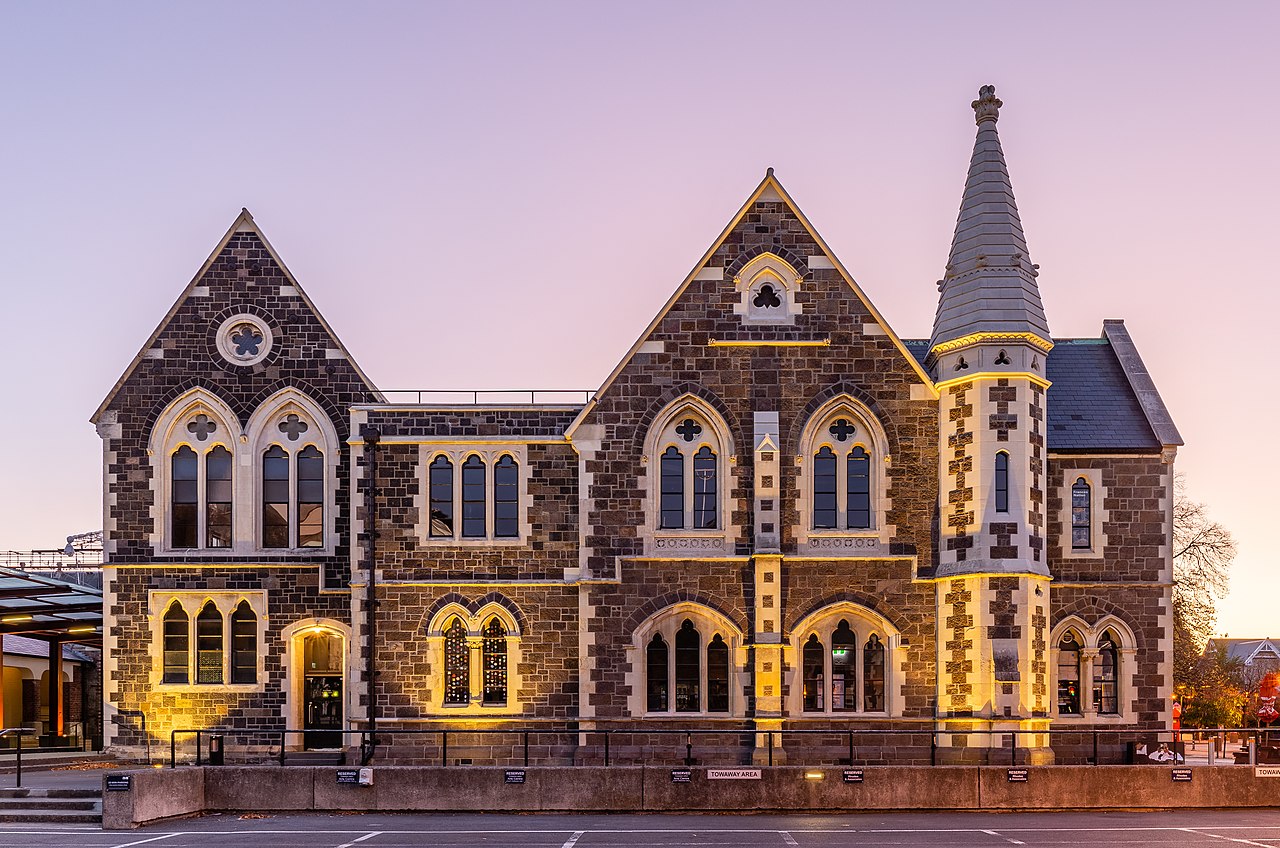
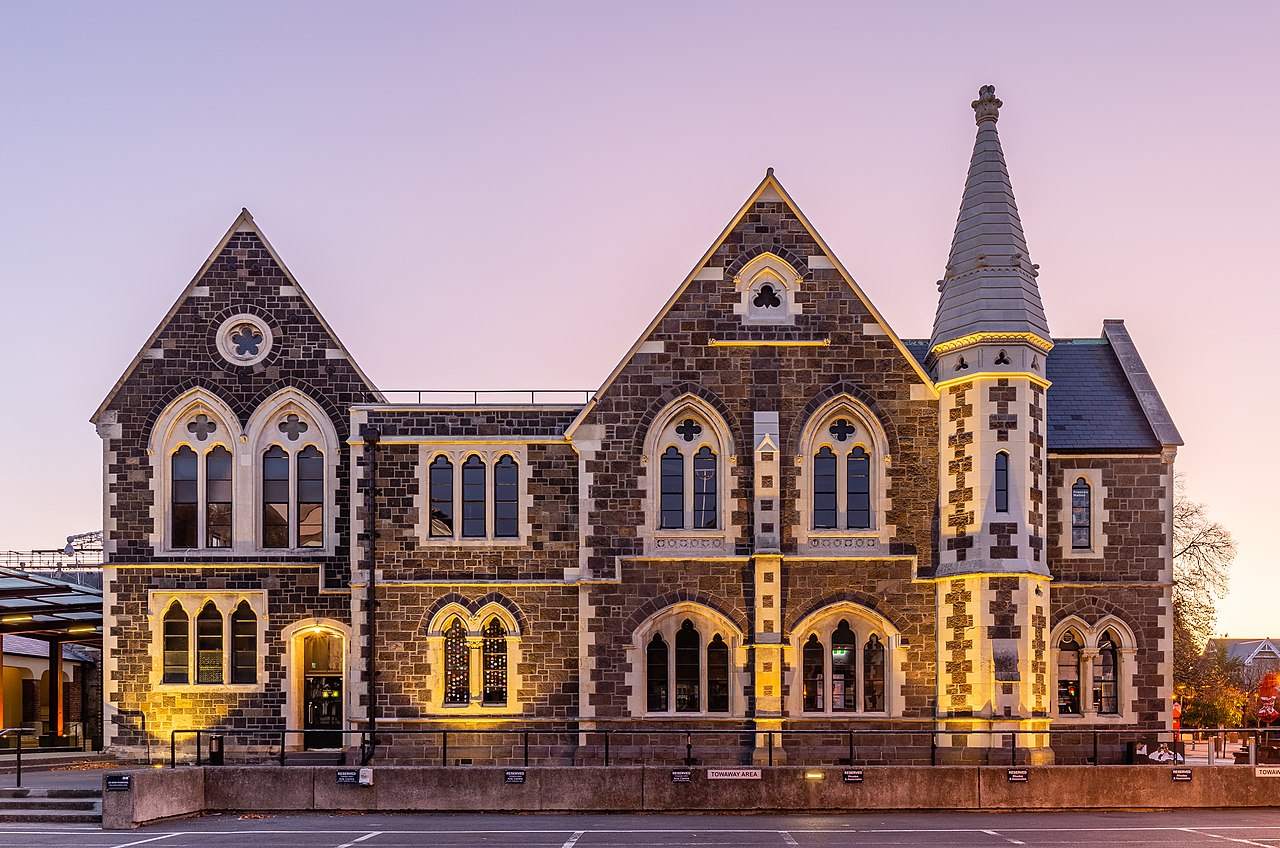
Located on the edge of Hagley Park, this Gothic Revival building survived the earthquakes and still demonstrates Victorian craftsmanship at its most solid. The museum houses exceptional collections spanning natural history, Māori culture, Antarctic exploration, and regional heritage. The Antarctic gallery is particularly compelling—Christchurch has long been the gateway for polar expeditions, and the museum tells that story with artifacts, photographs, and immersive exhibits that transport you to the ice. I was moved by the Māori galleries as well, which present taonga (treasures) with proper cultural context and dignity. Walking these halls, I felt the weight of continuity—that this building and its collections endured when so much else fell, preserving memory through the city's darkest hours.
Transitional Architecture Walking Tour
Self-guided or organized tours showcase the innovative post-earthquake architecture that defines modern Christchurch. Beyond the Cardboard Cathedral, you'll encounter the creative responses to devastation that make this city unique: the Re:START shipping container mall (some elements remain though it's evolving), colorful Gap Filler projects that transformed earthquake-cleared lots into public gardens and gathering spaces, and striking new buildings that honor the past while embracing the future. Walking these streets, you're reading the city's story written in architecture—what fell, what endured, what rose from the rubble. This isn't just about buildings; it's about a city that emerged from New Zealand's largest economic undertaking with its soul intact, having discovered that creativity and community matter more than architectural permanence. The "transitional" structures were meant to be temporary, but many have become beloved landmarks. There's a lesson in that about what we value and why.
Food & Dining
What to Eat: New Zealand lamb features prominently—look for Canterbury lamb, raised on the surrounding plains you see from the gondola. The meat is exceptional, mild and tender, raised on grass under big skies. Fresh seafood includes Akaroa salmon (from the harbor just over the hills) and South Island crayfish when in season. Whitebait fritters (tiny translucent native fish, lightly fried) are a seasonal delicacy that locals get genuinely excited about. Try hokey pokey ice cream (vanilla with honeycomb toffee bits) or a classic Kiwi meat pie from a local bakery—these humble foods carry surprising emotional weight for New Zealanders.
Coffee Culture: Christchurch takes its coffee seriously, and the café scene here is exceptional. C1 Espresso (famous for pneumatic tube food delivery—yes, really) and Caffeine Laboratory are local favorites that survived or emerged after the earthquakes. Flat whites are the default order, and the coffee quality rivals Melbourne or Wellington. I found café culture to be one of the ways the city maintained community through the rebuild—these became gathering places when so much else was uncertain.
Wine: The nearby Canterbury and Waipara wine regions produce excellent cool-climate wines—particularly Pinot Noir, Riesling, and Chardonnay. Many restaurants feature local wines, and wine bars in the central city offer regional tastings. The terroir here benefits from cool nights, long sunny days, and limestone soils. If you appreciate wine, asking for Canterbury regional selections will reward you with distinctive, underrated bottles.
Where to Eat: Riverside Market (near the Avon River) brings together food vendors, fresh produce, and artisan products under one roof in a modern space that embodies the rebuilt city's energy. For something special, the restaurants along Victoria Street and in the Arts Centre precinct offer everything from casual bistros to fine dining. Lyttelton itself has excellent cafés and historic pubs worth exploring if you have time at the port—the harbor town has a bohemian food scene that feels distinct from Christchurch proper.
Local Treats: Stop by a bakery for an Afghan biscuit (chocolate cookie with cornflakes and chocolate icing—a Kiwi classic with unclear origins) or a Lamington (sponge cake dipped in chocolate and rolled in coconut). These aren't tourist foods—they're what locals actually eat with their afternoon tea, and they taste like childhood to anyone raised in New Zealand. The simple pleasures matter here.
Local Notices & Pro Tips
- Weather Preparedness: Christchurch weather can be changeable—bring layers. The nor'west wind can be strong and warm, while southerly changes bring cool temperatures quickly. The sun is intense even on cool days (remember, you're closer to the ozone hole here), so sunscreen matters regardless of temperature.
- Saturday Timing: If you're in port on a Saturday, the Lyttelton Farmers Market (mornings) is exceptional for local produce, crafts, and street food. It's walking distance from where ships dock and gives you authentic local atmosphere. I found it one of the most genuine farmers markets I've visited anywhere—locals actually shop here, not just tourists.
- Antarctic Connection: Visit the International Antarctic Centre near the airport if you have time and interest. It's a bit out of the way, but offers compelling insights into Christchurch's role as a polar gateway since the heroic age of exploration. The experiences simulating Antarctic conditions—including a real storm room—help you understand what the early explorers faced.
- Earthquake Story: The Quake City exhibition provides essential context for understanding the city's transformation. It's sobering but important for comprehending what happened on February 22, 2011, the 185 lives lost, and how Christchurch chose to rebuild. The personal stories and timeline help you appreciate the scale of what you're witnessing in the rebuilt city.
- Cash for Small Vendors: While cards work everywhere major, having some New Zealand dollars helps for farmers markets, heritage trams, and small cafés. ATMs are plentiful in central Christchurch and at Lyttelton.
- Photography: The Cardboard Cathedral photographs beautifully, especially with afternoon light filtering through the cardboard tubes. The Botanic Gardens offer endless photo opportunities across all seasons. For cityscape shots showing the rebuild and the relationship between city, harbor, and mountains, the Port Hills or gondola summit provides dramatic perspectives.
- Respect Restricted Zones: Some earthquake-damaged areas remain restricted for safety reasons even years after the quakes. Respect barriers and signage—the rebuild continues, and some decisions about heritage buildings are still being made.
- Māori Pronunciation: "Kia ora" (key-or-ah) means hello/welcome. Making an effort with pronunciation shows respect. While Christchurch was founded as an English settlement, Canterbury has deep Māori heritage (Ngāi Tahu is the principal iwi), and that history deserves acknowledgment.
- Garden City Philosophy: The commitment to greenspace isn't accidental—it's been intentional since Hagley Park was set aside in 1856 and the Botanic Gardens established in 1863. Understanding this helps you appreciate why gardens matter so much to Christchurch's identity and recovery.
- Accessibility: Central Christchurch is wheelchair accessible with good sidewalk infrastructure from the rebuild. The heritage tram system offers accessible carriages. Most attractions have accessible facilities, though historic buildings may have limitations. The Tony Knowles Coastal Trail equivalent here is the Avon River paths which are paved and flat.
Depth Soundings Ashore
Practical tips before you arrive in Christchurch.
As we sailed out of Lyttelton Harbour that evening, the Port Hills glowing in the late sun, I thought about what resilience actually means. It's not just bouncing back to what was—it's the courage to become something new. Christchurch could have rebuilt a replica of itself, all Gothic Revival and Victorian propriety, recreating the English garden city that John Robert Godley envisioned in 1848. Instead, it chose to honor that heritage while embracing radical creativity.
The cardboard cathedral. The shipping container shops. The public art installations in earthquake-cleared lots. These weren't desperate measures—they were acts of imagination. The city discovered that temporary structures could become beloved, that devastation could clear space for innovation, that beauty doesn't require permanence or perfection. The Botanic Gardens that have been growing since 1863 survived mostly intact, while the cathedral that stood for more than a century fell. There's a lesson in that, I think—about what endures and what transforms.
I've seen cities broken by war, by economics, by natural disasters. Most rebuild with grim determination. Christchurch rebuilt with flowers and cardboard tubes and punts on the river—with a lightness of spirit that seems almost miraculous given what they survived. On February 22, 2011, at 12:51 in the afternoon, 185 people lost their lives and a city fell. What followed was the largest economic undertaking in New Zealand's history. But also something less quantifiable: a collective decision that joy and beauty matter, even in the aftermath of catastrophe.
I watched a punter guide his boat past the Antigua Boatsheds—those weathered timbers have leaned over the Avon since 1882, through earthquakes and all manner of change. The Botanic Gardens bloom. The weeping willows still trail in the current. Hagley Park's 164 hectares still breathe green in the city's heart, as they have since 1856. And rising among these enduring things, the Cardboard Cathedral and all the innovative architecture of the rebuild stand as testament to what's possible when a community refuses to let grief define its future.
That's the gift this city offers visitors: not just lovely gardens and mountain views, but evidence that catastrophe doesn't have to destroy joy. Sometimes it reveals what matters most. Go punt on the Avon. Stand inside the cardboard cathedral. Walk through gardens that bloom regardless of earthquakes. And understand that you're witnessing something rare—New Zealand's oldest established city, which survived the strongest earthquake ever recorded in a New Zealand urban area, choosing to rebuild not just with pragmatism but with grace, creativity, and stubborn, defiant hope.
Photo Gallery

Frequently Asked Questions
Q: Where do cruise ships dock in Christchurch?
A: Ships dock at Lyttelton Port, about 12 kilometers from central Christchurch. The port is in a volcanic harbor on the Port Hills, with shuttle buses meeting most ships for the 20-25 minute transfer to the city center.
Q: What's the best time of year to visit Christchurch?
A: The cruise season runs from October through April, with December through March offering the warmest weather (15-25°C). Spring (October-November) brings blooming gardens, while autumn (March-April) has beautiful fall colors.
Q: How much time do I need to explore Christchurch?
A: A minimum of 6-8 hours allows you to see the highlights: Botanic Gardens, Cardboard Cathedral, Avon River punting, and possibly the Christchurch Gondola. A full day gives time for museums and the earthquake memorial sites.
Q: What should I pack for Christchurch's weather?
A: Layers are essential as weather can change quickly. Bring a light jacket, comfortable walking shoes, and sunscreen (the UV is intense in New Zealand). A small umbrella is wise for passing showers.
Q: Is Christchurch walkable from the port?
A: No, Lyttelton Port is 12km from central Christchurch. You'll need the shuttle bus, taxi, or tour transfer. Once in the city center, most attractions are within a 20-minute walk of Cathedral Square.