From the Logbook
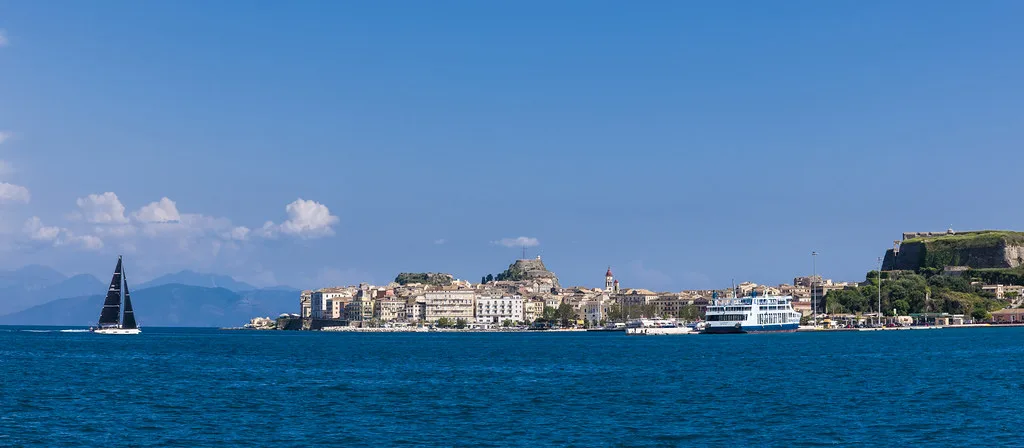
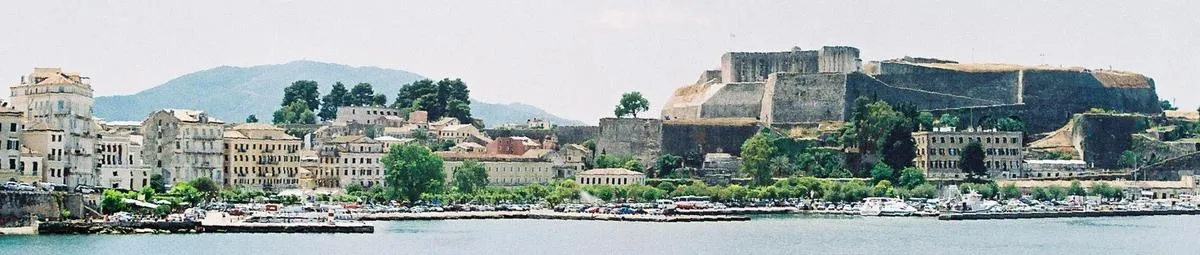
I had visited Greek islands before—the whitewashed villages, the blue domes, the expected postcard scenery. But Corfu surprised me completely. As our ship approached, I saw not the typical Cycladic architecture but something more European: terracotta roofs, Venetian bell towers, fortresses rising from rocky headlands. This was a Greek island that had spent four centuries under Venetian rule, and then French, and then British. The layers of influence showed in every building, every archway, every winding street.
I walked from the cruise terminal along the waterfront, the morning sun already warm on my shoulders and the taste of salt on my lips. The Old Fortress dominated the view ahead—a massive medieval stronghold separated from the old town by a moat. Cruise passengers were already streaming toward it, but I turned into the narrow streets of the Old Town instead, wanting to find Corfu before the crowds did.
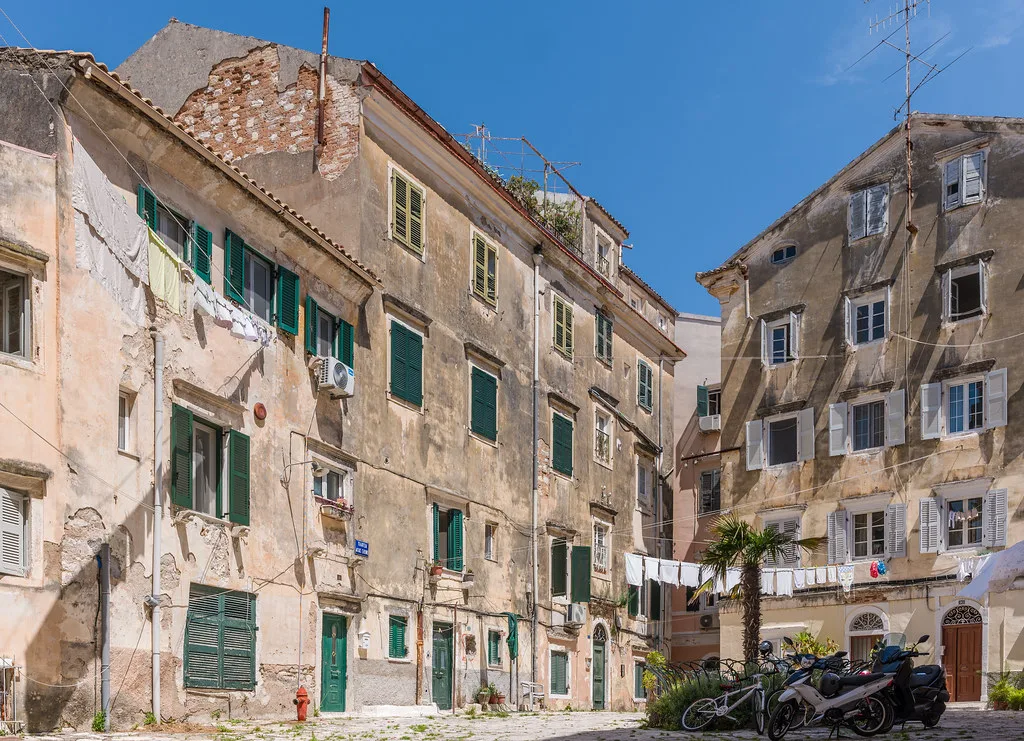
The kantounia—the narrow lanes of the old town—felt more Italian than Greek. Laundry hung from wrought-iron balconies, cats dozed in doorways, the smell of coffee drifted from tiny cafes. I got lost almost immediately and didn't mind at all. Every turn revealed another scene: a marble fountain, a Byzantine church, a courtyard filled with bougainvillea so purple it looked painted. The Venetians had built this town to last, and four hundred years later, it was still achingly beautiful.
I stumbled upon Liston, the famous arcade built by the French during their brief rule, modeled after the Rue de Rivoli in Paris. Corfiot Greeks sat at cafe tables drinking freddo espresso, watching the world pass by with that Mediterranean ease I never quite achieve. I ordered a pastitsada—Corfu's signature pasta dish with slow-cooked spiced beef—at a taverna where the waiter seemed amused that I had wandered so far from the obvious tourist route. The dish was rich and complex, nothing like what I expected from Greek cuisine, a reminder that this island had absorbed influences from everyone who had ever ruled it.
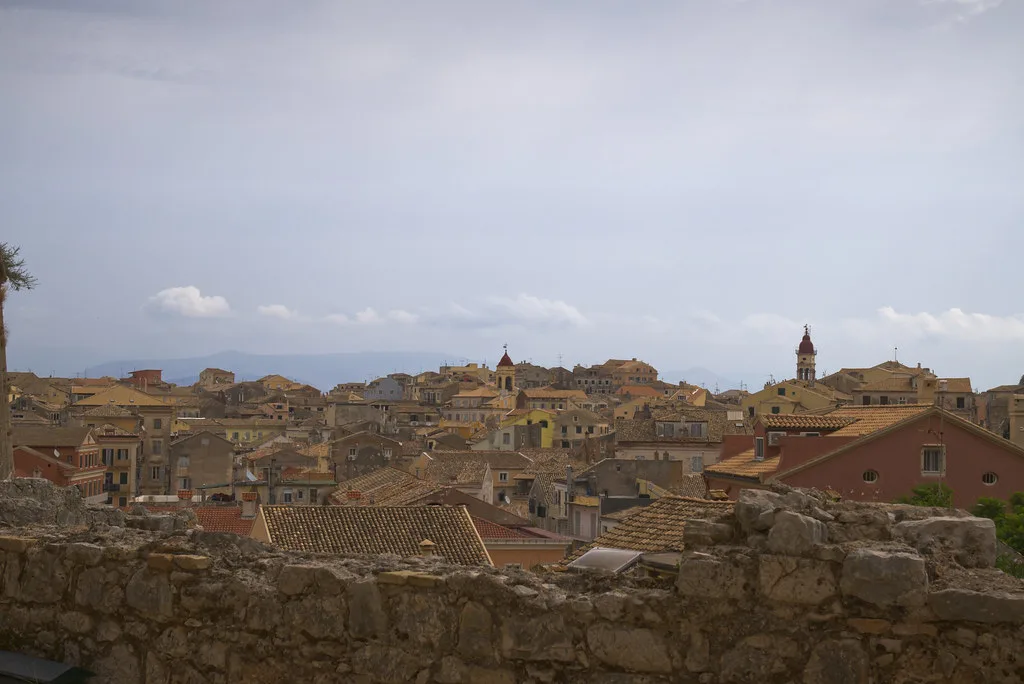
After lunch, I climbed to the Old Fortress, paying the €6 entrance fee and ascending the stone paths to the top. My breath caught when I reached the summit. The view stretched in every direction—the mountains of Albania across the strait, the terracotta rooftops of the old town below, the brilliant blue of the Ionian Sea surrounding everything. I could see why every empire had wanted to control this island. Whoever held Corfu held the gateway between the Adriatic and the Mediterranean.
I sat on the fortress walls for a long time, watching tiny fishing boats cross the strait, feeling the wind that had carried Venetian galleys and British frigates and now carried the scent of wild herbs from the hillside below. For the first time in days, I wasn't thinking about itineraries or attractions or what I should see next. I was simply present, in this place where centuries of occupation had somehow created something beautiful rather than broken. A young couple nearby was photographing each other against the backdrop of the Ionian Sea, and an elderly Greek man sat alone on a cannon, smoking and watching the ships with the patience of someone who had watched them for decades.
On my way back to the ship, I stopped at a small store and bought a bottle of kumquat liqueur—the local specialty, made from the tiny citrus fruits that grow only here. The shopkeeper, an elderly woman with knowing eyes, wrapped it carefully and said something in Greek I didn't understand. But I understood her smile: she was sharing her island with a stranger, the way her people had been doing for generations, offering hospitality to whoever came ashore.
I thought about all the travelers who had stood where I stood, from ancient Greeks to Venetian merchants to British tourists like me now. The island had accepted them all, absorbed their influences, remained somehow stubbornly itself. There's a lesson in that, I think—how to be shaped by experience without losing your essence, how to welcome change while holding onto what matters. The evening light was turning golden as I walked back toward the port, the kind of light that makes everything look like a memory even as you're living it.
The moment that stays with me: sitting on those fortress walls, the wind carrying scents of thyme and sea salt, watching the play of light on water that had been watched by Roman sailors and Byzantine monks and Venetian governors. My heart swelled with gratitude—not just for the beauty, but for the privilege of adding my moment to all those centuries of moments, becoming part of the island's long memory even as I passed through. I came expecting a Greek island. I found a teacher.
Weather & Best Time to Visit
The Cruise Port
Cruise ships dock at the New Port, about 1 km from the Old Town center. The walk to the Old Town takes roughly 15 minutes along a flat, well-marked path past the ferry terminal and along the waterfront. On busy days, multiple ships may dock, so the terminal area can feel congested—but the crowds thin quickly once you enter the old town streets.
The terminal building offers restrooms, a small tourist information desk, and taxi stands. ATMs are available in the old town. Taxis wait at the port ($10-15 to Old Town, $25-35 to Achilleion Palace or Paleokastritsa). Some passengers take the hop-on bus for convenience, but walking is genuinely pleasant.
Quick Facts
Getting Around
Corfu Old Town is compact and best explored on foot—most attractions are within 1 km of each other. The narrow lanes don't accommodate vehicles anyway, so walking is the only practical option for exploring the UNESCO-listed center. For outlying attractions like Achilleion Palace or swimming spots, you'll need transport.
On foot: The ideal way to experience Corfu Old Town. From the port, walk to the Spianada (main square) in 15 minutes, explore the Old Fortress, wander the kantounia lanes, and visit the New Fortress. All major old town sites are walkable with moderate stamina. Bring comfortable shoes—cobblestones and hills are the norm.
By taxi: Metered taxis wait at the port and around Spianada square. Expect €10-15 to Achilleion Palace, €20-30 to Paleokastritsa or Glyfada for swimming. Agree on price before starting if the meter isn't used. Taxis are the most practical option for outlying attractions when time is limited.
Hop-On Hop-Off buses: Two routes operate (~€20/day)—the Blue Route covers the Old Town and Kanoni, while the Green Route reaches Achilleion Palace. Useful for covering multiple sites without taxi costs. Frequency drops outside peak season.
Mobility considerations: The Old Town is challenging for wheelchairs and mobility devices—narrow lanes, cobblestones, and frequent steps make independent navigation difficult. The Spianada square area and waterfront promenade are more accessible. Taxis can reach accessible viewpoints. The Old Fortress involves significant stair climbing and is not wheelchair accessible. Low-mobility visitors should focus on the Liston area and waterfront cafes, which offer comfortable seating with excellent views.
Corfu Port Map
Corfu Old Town is compact and walkable from the cruise port.
Excursions
Corfu rewards both independent exploration and organized tours. The Old Town is perfect for self-guided walking, while outlying sites like Achilleion Palace require transport. Book ship excursions if you want guaranteed return to ship times or prefer guided commentary at major sites.
Self-Guided Old Town Walk
Walk from the port to the Spianada (15 min), climb the Old Fortress (€6), wander the kantounia lanes, stop for coffee at Liston, visit the New Fortress, and return via the waterfront. Budget 3-4 hours for this circuit. No booking required. Moderate stamina needed for fortress climbing. Total cost: €6 fortress entry plus meals. This is the essential Corfu experience—don't skip it for bus tours.
Achilleion Palace
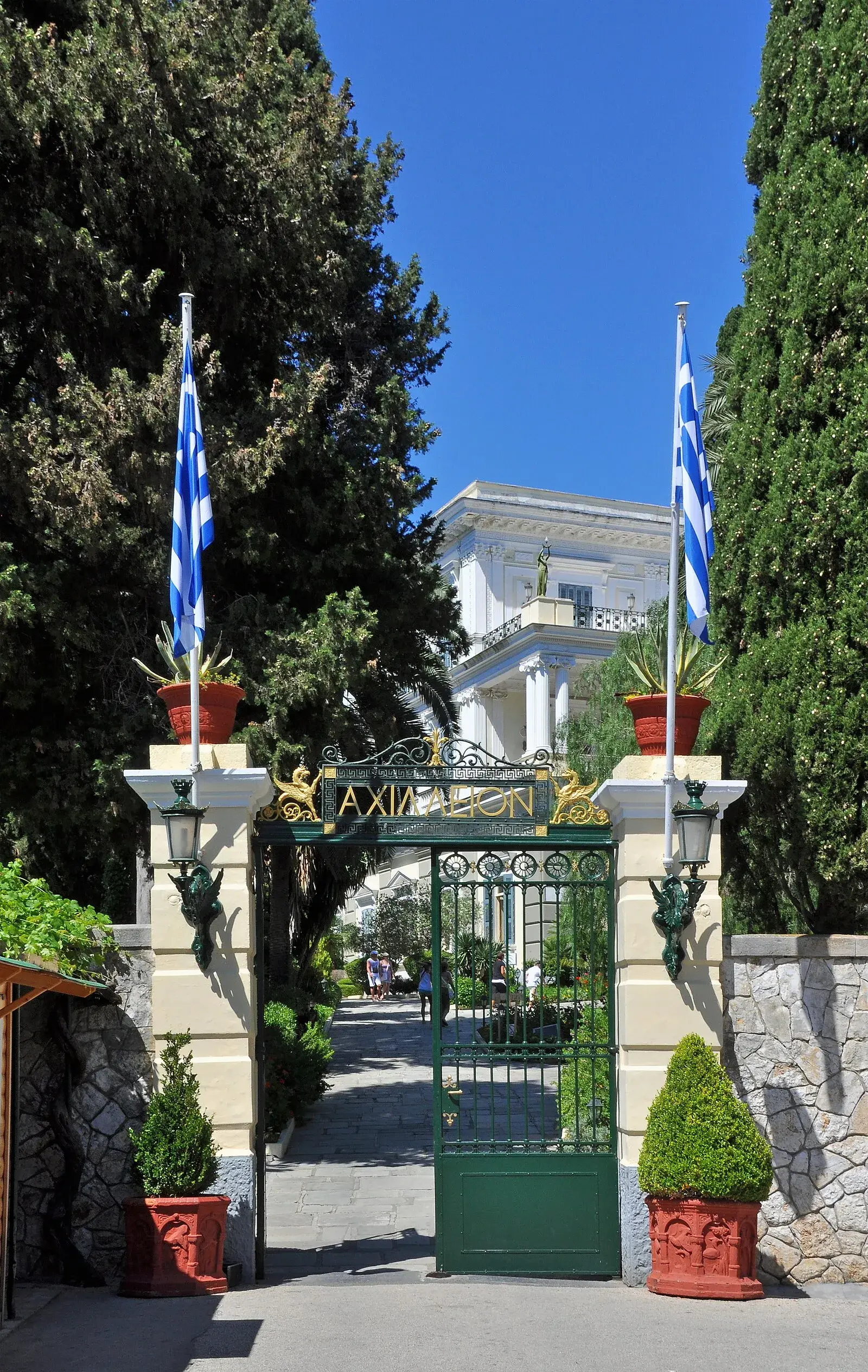
Empress Sisi of Austria built this neoclassical palace overlooking the sea in the 1890s, filling it with Achilles statues and romantic gardens. Ship excursions run $50-70 (3 hours). Independent visitors can take a taxi (€25-30 round trip including wait time) or the Hop-On Green Route. Entry fee ~€10. The palace is beautiful but small—combine with other sites if possible. Book ahead during peak season when ships are full.
Paleokastritsa Monastery and Swimming
This western peninsula offers a hilltop monastery (free entry, donations welcome), dramatic clifftop views, and several swimming coves with clear water. Ship excursions run $60-80 (half day). Independent visitors need taxis (€35-45 round trip) or rental cars. Allow 3-4 hours including swimming time. Moderate stamina required—monastery involves stairs. Book ship excursions for guaranteed return when combining swimming with sightseeing.
Kanoni and Mouse Island View
The iconic view of Pontikonisi (Mouse Island) with its tiny chapel and the Vlacherna Monastery on its causeway is one of Corfu's most photographed scenes. Reachable by Hop-On Blue Route, taxi (~€15), or 30-minute walk from Old Town. Free to view; monastery entry is free. Low-stamina option for a quintessential Corfu photo. No advance booking needed.
Private Full-Day Island Tour
Hire a driver or join a small-group tour covering Achilleion, Paleokastritsa, and swimming stops ($150-250 per person). Book through verified operators or ship excursion desk for guaranteed return times. Full-day option for those wanting comprehensive island coverage. High stamina helpful but not required as transport handles distances. Private tours allow flexible timing and can accommodate special interests like olive oil tastings or hidden villages.
Old Town Walking Tour
Guided walking tours of the Old Town run approximately 2 hours and cover the major sites, hidden courtyards, and local insights you might miss on your own. Ship excursions typically $40-60. Independent guides can be arranged through the tourist office at the port. Tours start from Spianada square. Low to moderate stamina required—mostly flat with some steps. Book ahead through ship excursion desk if you prefer structured exploration with guaranteed return.
Depth Soundings
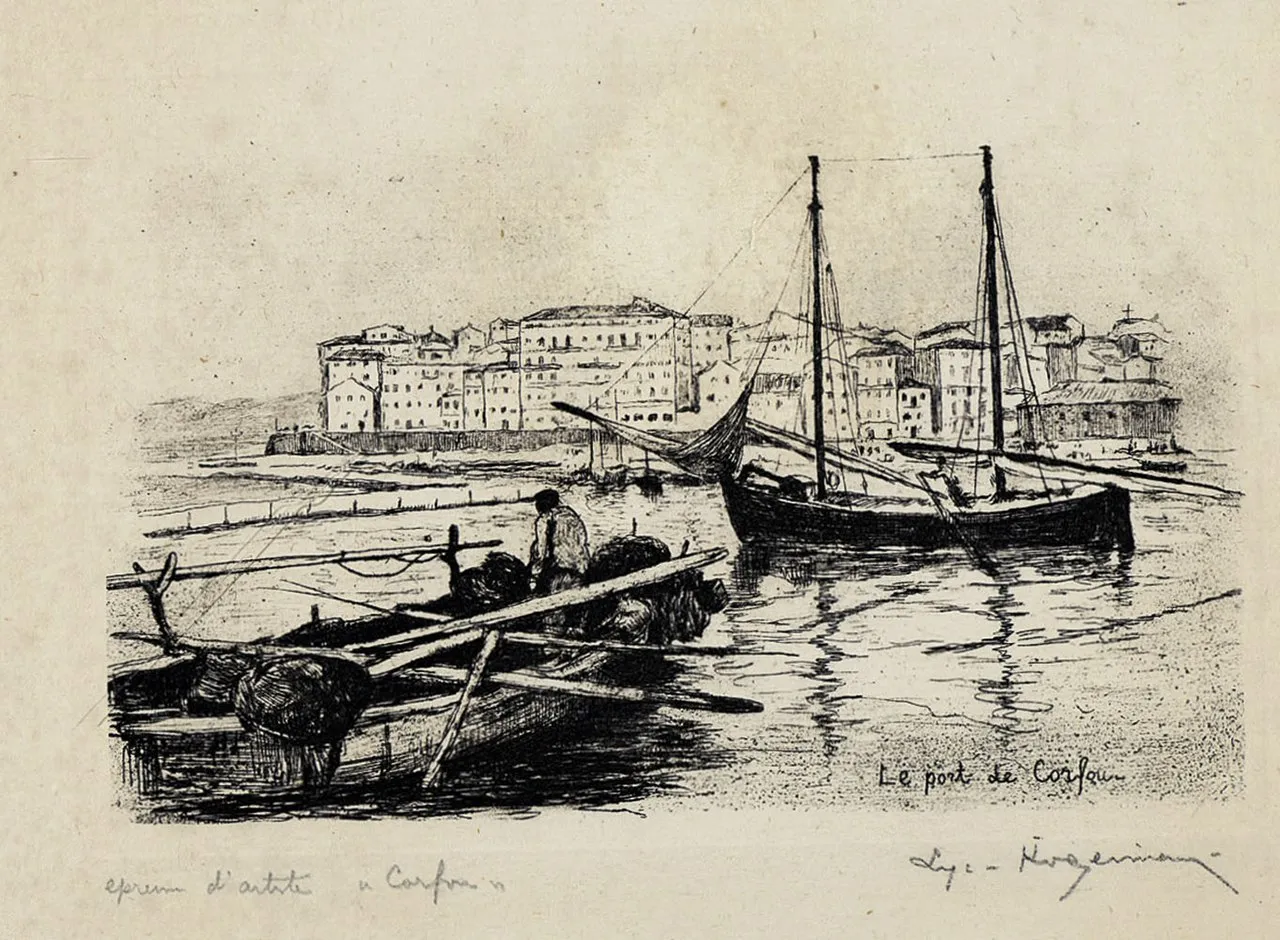
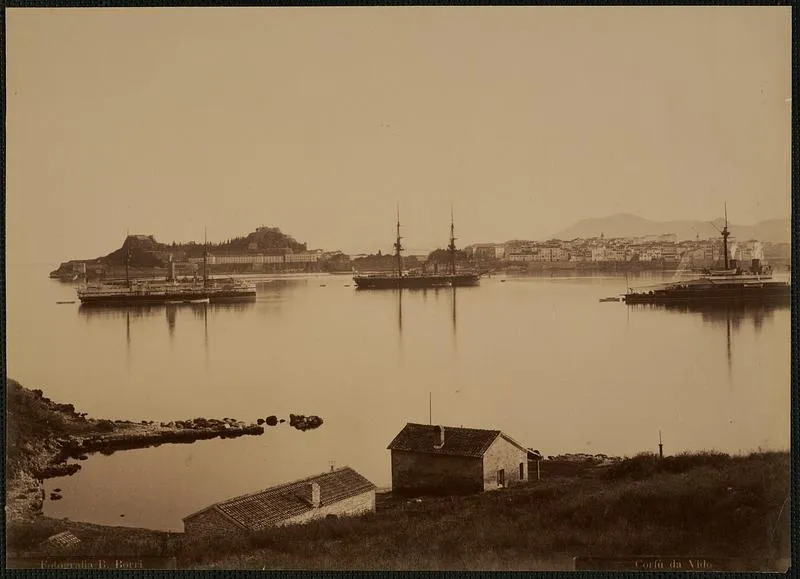
Corfu's location at the entrance to the Adriatic made it strategically vital for millennia. The Venetians held it from 1386 to 1797—over four centuries—and their influence remains everywhere: in the architecture, the cuisine, the Italian words that still pepper local Greek. The French came briefly after Napoleon, building the Liston arcade. Then the British took over from 1815 to 1864, leaving behind cricket (still played on the Spianada) and ginger beer (still drunk locally).
Empress Elisabeth of Austria (Sisi) fell in love with the island and built Achilleion Palace here in 1890, after the suicide of her only son. The palace reflects her melancholy: Achilles, the doomed hero, appears everywhere in statues and paintings. Kaiser Wilhelm II bought the palace after her assassination and added his own martial touches. Today it's a museum to both their eccentricities.
The Old Town became a UNESCO site in 2007, recognized for its unique blend of Venetian, French, and British architectural influences—something found nowhere else in Greece. The designation helped preserve the town against development pressure, ensuring that the kantounia lanes and elegant arcades remain intact for future wanderers.
Gallery
Frequently Asked Questions
Can I walk from the cruise port to Corfu Old Town?
Yes—it's about 1 km, taking 15 minutes at a comfortable pace. The route follows the waterfront past the ferry terminal and into the old town. It's flat and well-marked. Most passengers walk unless mobility issues require a taxi.
Is Corfu Old Town worth exploring independently?
Absolutely. The UNESCO-listed old town is compact, fascinating, and best discovered by wandering. You don't need a guide to appreciate the Venetian architecture, stumble upon hidden courtyards, or find a perfect taverna for lunch. The fortresses are well-signed and self-explanatory.
Should I visit Achilleion Palace or stay in the Old Town?
If time is limited (under 5 hours in port), the Old Town offers more value—you can see the fortresses, explore the lanes, and enjoy Greek hospitality without rushing. Achilleion is worth it if you have 6+ hours, are interested in Empress Sisi, or want a break from the Old Town crowds.
Where can I swim near the cruise port?
The nearest swimming is at Mon Repos area (30 min walk or short taxi). Better options require transport: Paleokastritsa (30 min drive) or Glyfada (25 min) have clearer water and proper facilities. Ship excursions combining sightseeing and swimming are popular for this reason.
When is the best time to visit Corfu?
The glance Temperature reads "40-87°F — greenest Greek island" and Rain reads "Wettest Greek island; dry Jun-Aug." Daylight reads "9.5-15 hours" and Wind reads "Moderate; sheltered east coast."
When is Corfu's storm season?
The glance Rain entry reads "Wettest Greek island; dry Jun-Aug," and the Wind entry adds "Moderate; sheltered east coast." For current conditions on a specific sailing date, use the live weather widget in the seasonal panel above.
What should I pack for Corfu's weather?
The glance Temperature reads "40-87°F — greenest Greek island" — pack for the full range. Rain reads "Wettest Greek island; dry Jun-Aug," so a real rain jacket matters outside Jun-Aug. The Packing Tips section lists "Sunscreen and sunglasses — essential year-round"; "Light layers for variable temperatures"; "Comfortable walking shoes for exploring"; "Rain jacket or compact umbrella."
Will rain ruin my Corfu port day?
The glance Rain entry reads "Wettest Greek island; dry Jun-Aug" — peak-summer visitors rarely face rain. For short-term forecasts on a specific sailing date, the live weather widget in the seasonal panel above is the primary source.
Greek Island
The Old Town is a UNESCO site and genuinely charming, but the narrow stone streets are punishing for wheelchairs and strollers — almost nothing here is flat or paved smoothly. If mobility is a concern, the hop-on hop-off bus to Achilleion Palace is a better use of your time. The famous Liston arcade (inspired by Paris's Rue de Rivoli) is lovely for a coffee, but prices are tourist-premium. Walk one block back from the waterfront for the same quality at half the cost.
Key Facts
- Country
- Greece
- Region
- Mediterranean
- Currency
- Euro (€). Credit cards widely accepted in the Old Town
- Language
- Greek, but English is common in tourist areas
Practical Notes
- Currency: Euro (€). Credit cards widely accepted in the Old Town
- Language: Greek, but English is common in tourist areas
- Weather: Mediterranean. Summer 80-95°F (27-35°C). Afternoons can be very hot
- Prices: Moderate by Greek standards. Coffee €3-4, lunch €12-18, fortress entry €6
- Tipping: 10% in restaurants appreciated but not expected
- Safety: Very safe. Petty theft is rare but watch bags in crowds
- WiFi: Available in most cafes; some free municipal WiFi in Spianada area
Last reviewed: February 2026
Depth Soundings
Money: The local currency is Euro (€)Euro (€). Credit cards widely accepted in the Old Town. ATMs are generally available near the port area, though fees vary. Credit cards are widely accepted at tourist-oriented establishments, but carry some local cash for markets, street food, and smaller vendors. Your ship's exchange rate is typically unfavorable — withdraw from a bank ATM instead. Budget $30–$80 per person for a comfortable day including lunch, transport, and a few entry fees.
Timing: Start early if your ship arrives at dawn — the first hours offer pleasant conditions and smaller crowds. Allow at least 30 minutes buffer before all-aboard time. Set a phone alarm as backup. Most port visits allow 8–10 hours on shore, which is enough to see the highlights without rushing if you prioritize well.
Safety: Standard port-town awareness applies — keep valuables close and stick to well-traveled areas during daylight. Your ship's ID card is your most important item — losing it creates a genuine headache at the gangway. Summer heat (35°C and above) is the main hazard — carry water, wear a hat, and plan indoor visits to museums and churches during the midday hours.
Communication: Wi-Fi is often available at cafés and restaurants near the port. Consider downloading offline maps before disembarking — cellular data roaming charges can be substantial and surprising. Google Maps offline mode or Maps.me work well for navigation without data.
Food & Water: Tap water safety varies by destination — ask locally or buy bottled water to be safe. The best food often comes from busy local restaurants rather than tourist-facing spots near the port. Lunch at a popular local place typically costs $8–$20 per person. Street food can be excellent value if you choose busy stalls with high turnover.
Photo Gallery