
Captain's Logbook
Booking guidance: Ship excursion options provide guaranteed return to port and are worth considering for first-time visitors. For those who prefer to explore independently, local operators often offer competitive rates — book ahead during peak season to secure your preferred times. Whether you choose a ship excursion or go independent, confirm departure times and meeting points before heading out.
From the Logbook
From the ship's upper deck, the Sierra Nevada de Santa Marta seemed like a geological impossibility — snow-capped peaks rising directly from tropical jungle to 5,775 meters, the world's highest coastal mountain, close enough that I felt I could sail directly into the clouds. The indigenous Kogi people who live in those heights consider themselves the "Elder Brothers" of humanity, guardians of the world's ecological balance. Looking at those peaks from sea level, it was easy to believe they might know something the rest of us have forgotten. I stood on the bow for twenty minutes, watching the mountains sharpen from purple silhouettes into green ridges threaded with mist, and I remember thinking that no photograph could hold what I was seeing. The air was thick and warm, carrying salt and something vegetal — jungle breath, perhaps — and the morning light turned the water a shade of turquoise I had only seen in retouched travel advertisements. Except this was real.
We walked along the waterfront toward the Centro Historico, and I was struck by how alive the city felt. This was not a sanitized tourist zone — it was a real Colombian city going about its morning, and we were simply passing through it. I watched fishermen sorting their catch on the dock while children in school uniforms hurried past. The smell of fresh arepas sizzling on a street vendor's griddle mixed with diesel fumes from passing trucks, and I realized that the honest imperfection of it all was precisely what made Santa Marta feel so genuine. A stray dog trotted beside us for half a block, wagging its tail, then vanished into an alley as if it had somewhere important to be. My wife bought a mango from a woman who sliced it with practiced speed, handing it over with a warmth that transcended the language gap between us. I tasted the fruit and it was unlike any mango I had eaten at home — sweeter, more intense, almost floral. That single mango, eaten standing on a cracked sidewalk while motorcycle taxis buzzed past, taught me more about Colombia than any guidebook could.
In the Quinta de San Pedro Alejandrino, the hacienda where Simon Bolivar died in 1830, I stood in the small bedroom where South America's great liberator took his final breath at age 47, defeated not by Spanish armies but by tuberculosis and political betrayal. "I have plowed the sea," he reportedly said at the end. The window looks toward the Sierra Nevada. I wondered if he found any peace in those eternal mountains. The hacienda grounds were quiet, shaded by enormous ceiba trees, and a gardener was sweeping fallen blossoms from the path with slow, deliberate strokes. In that stillness my eyes filled with tears I hadn't expected — something shifted in me as I understood that ambition and exhaustion have always walked hand in hand, and that the most consequential lives often end in the smallest rooms.
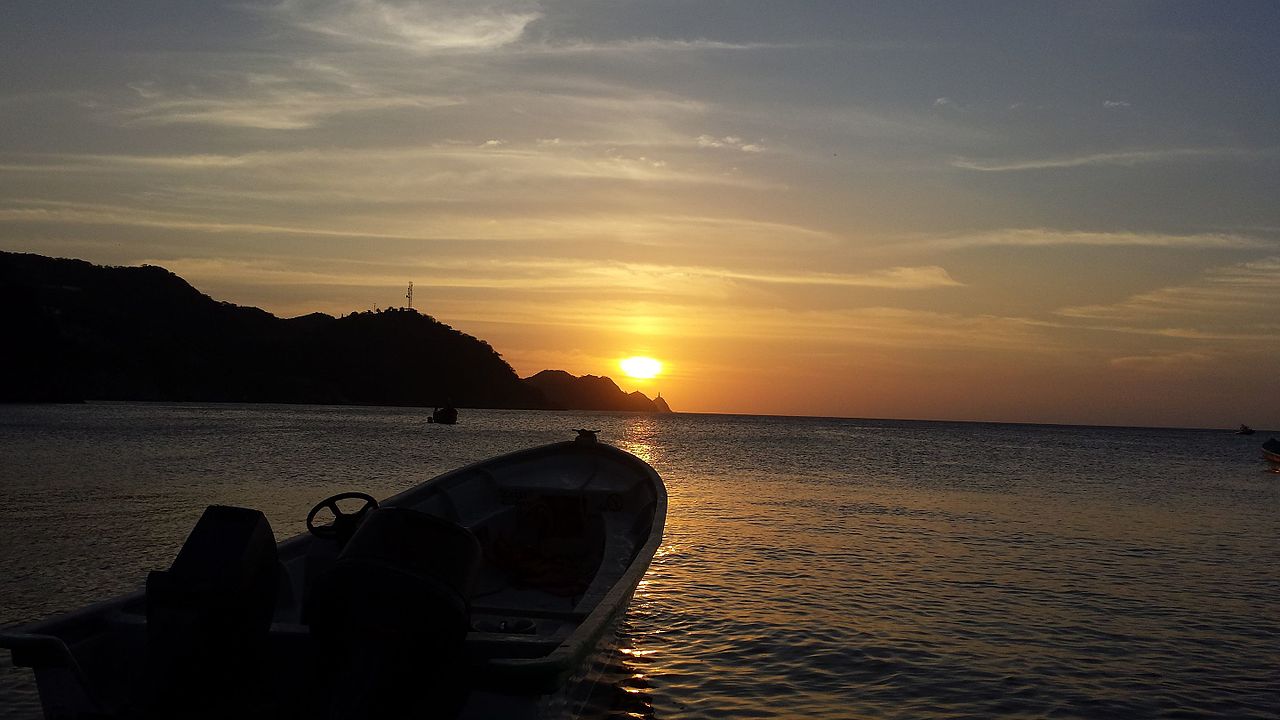
We took a taxi to Taganga, the fishing village tucked into a cove just north of the city. The fare was 15,000 COP — about $4 — and the driver played vallenato music the entire way, drumming on the steering wheel at red lights. Taganga felt like a place that had resisted the pull of progress by simply ignoring it. Painted fishing boats rested on the gravel beach, nets drying in the sun, and dive shops with hand-lettered signs offered PADI courses for prices that would make Caribbean islands weep. We ate fried red snapper at a plastic table overlooking the water — the whole fish, head and all, crispy and perfect, with coconut rice and fried plantains on the side. The meal cost 25,000 COP per person, roughly $6. We lingered over fresh lulo juice and watched pelicans dive-bomb the shallows.
Back in the historic center, we wandered through Parque de los Novios as the afternoon heat softened into something bearable. Old men played dominoes under the trees. A street musician coaxed cumbia rhythms from an accordion, and a few couples danced without self-consciousness on the cobblestones. I ordered a beer at a corner cafe — 5,000 COP, barely more than a dollar — and watched the light shift across the cathedral facade. I thought about all the ports we had visited on this itinerary, and how Santa Marta was the one that felt least like a port of call and most like a place where people actually lived. That distinction matters more than I can easily explain.
As the ship pulled away that evening, I stood at the rail and watched the Sierra Nevada catch the last of the sunset — pink and gold and then a deep violet that bled into the darkening sky. I thought about the Kogi in those mountains, about Bolivar dying within sight of those same peaks, about the woman who sold us the mango and the fishermen who would go out again before dawn. Santa Marta had given me something I did not expect: the reminder that the best travel moments are not the ones you plan for, but the ones that simply happen while you are standing still long enough to notice. I carried that mango taste on my tongue for the rest of the evening, and I carry it still.
The Cruise Port
Santa Marta's Marina Internacional handles cruise ship visits. The modern marina can accommodate most cruise ships dockside, though larger vessels may anchor and tender. The marina area is well-developed with restaurants, shops, and taxi stands.
The historic center (Centro Historico) is about 15 minutes on foot from the marina along the waterfront promenade. The pleasant walk passes Taganga fishing village viewpoints and the city's popular urban beaches.
As Colombia's oldest city (founded 1525), Santa Marta offers authentic Latin American culture beyond the typical Caribbean cruise port experience. This is a real working city, not a tourist construct.
Getting Around
Santa Marta is one of the easiest Colombian cities to navigate on a cruise day. Taxis are the most convenient option and are plentiful near the marina — expect to pay $2-5 USD (8,000-20,000 COP) for trips within the city, including to El Rodadero beach or the Quinta de San Pedro Alejandrino. Always agree on the fare before getting in, as meters are uncommon. Licensed taxis are yellow and display registration numbers on the doors.
Moto-taxis (motorcycle taxis) are everywhere and cost roughly half the price of regular taxis for short hops, though they are not recommended for those uncomfortable on two wheels or carrying bags. Colectivos (shared minibuses) and local buses run frequently along the main coastal road and will take you to Taganga for about 2,000 COP ($0.50) — look for buses marked "Taganga" near the waterfront. Uber is available in Santa Marta and often cheaper than street taxis, with the added benefit of upfront pricing and GPS tracking. For longer excursions to Tayrona National Park or Minca, pre-arranged transport or organized tours are strongly recommended, as public transit options are limited and unreliable for time-sensitive cruise visitors.
Walking is safe and pleasant in the tourist areas, particularly along the waterfront promenade, through the Centro Historico, and around the marina district. The streets are flat and easy to navigate on foot, and the compact layout means most city attractions are within a 20-minute walk of the port. Exercise normal urban awareness — stick to well-lit, populated streets, avoid displaying expensive jewelry or electronics, and stay within the tourist zone after dark. The beachfront boardwalk between the marina and El Rodadero is a popular walking and jogging route used by locals and visitors alike.
Port Map
Shore Excursions
Booking guidance: Ship excursion options provide guaranteed return to port and are worth considering for first-time visitors. For those who prefer to explore independently, local operators often offer competitive rates — book ahead during peak season to secure your preferred times. Whether you choose a ship excursion or go independent, confirm departure times and meeting points before heading out.
Tayrona National Park is the headline excursion from Santa Marta. Entry costs $18 USD (approximately 72,000 COP) per person, and the park entrance is about 45 minutes by road. Ship-organized tours typically run $80-120 per person and include transport, guide, and beach time at Playa Cristal or Neguanje — the closer beaches that are realistic on a cruise day. Independent visitors can hire a taxi for around $40-50 round trip but should depart early and allow 6-8 hours total.
Taganga, the fishing village 5km north of the city, offers excellent diving and snorkeling. PADI discover scuba courses start around $60, and a two-tank certified dive runs about $50 — dramatically cheaper than most Caribbean destinations. The rocky beach and seafood restaurants make for a pleasant half-day even without diving.
Quinta de San Pedro Alejandrino, the hacienda where Simon Bolivar died in 1830, charges approximately $5 USD entry and sits 15 minutes by taxi from the marina. The museum, botanical gardens, and Bolivar memorial make for a meaningful 1-2 hour cultural visit. Combine it with a walk through the Centro Historico for a rewarding independent morning.
Minca coffee farms in the Sierra Nevada foothills offer guided tours of organic coffee production, chocolate making, and birdwatching, typically priced at $40-70 per person including transport. The mountain village sits at 600 meters elevation, providing a welcome break from coastal heat. Allow 4-5 hours for a comfortable Minca visit including the 45-minute drive each way.
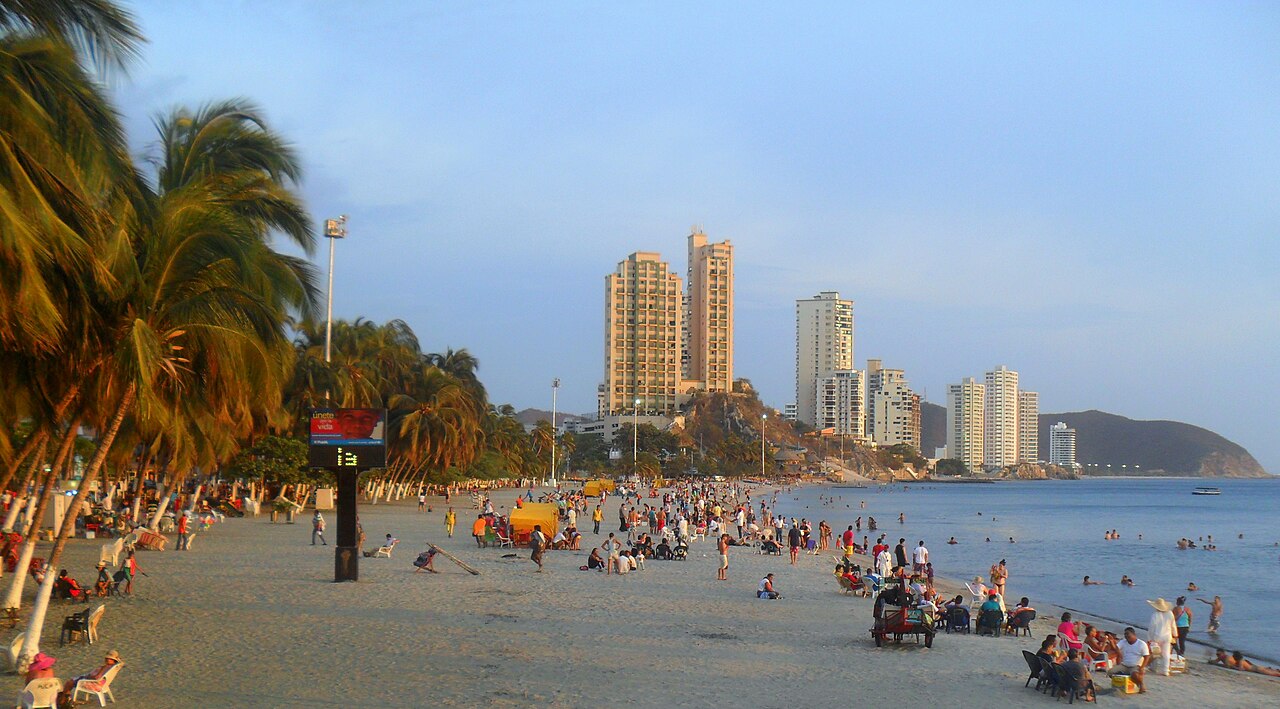
El Rodadero beach, Santa Marta's resort beach about 5km south of the marina, is the easiest beach option for cruise visitors who want sand and sea without a long excursion. A taxi costs $3-5 USD. The beach has calm water, sunbed and umbrella rentals ($5-10 for the day), and a boardwalk lined with seafood restaurants and juice stands. Boat trips from El Rodadero to the nearby Playa Blanca ($8-10 per person round trip) offer clearer water and a quieter beach experience. Allow a half-day for a relaxed El Rodadero visit.
Centro Historico walking tour is free and rewarding for history-minded visitors. The compact colonial core features the Catedral de Santa Marta (the oldest cathedral in Colombia, dating to 1765), the Museo del Oro (Gold Museum, free entry), and the tree-shaded Parque de los Novios, which fills with restaurants and live music in the evenings. The entire historic center can be explored on foot in 1-2 hours. Local guided walking tours are available for $10-15 per person through operators near the marina. Low energy; flat terrain throughout.
Depth Soundings
Money: The local currency is Colombian Peso (COP). ATMs are generally available near the port area, though fees vary. Credit cards are widely accepted at tourist-oriented establishments, but carry some local cash for markets, street food, and smaller vendors. Your ship's exchange rate is typically unfavorable — withdraw from a bank ATM instead. Budget $30-80 per person for a comfortable day including lunch, transport, and a few entry fees.
Timing: Start early if your ship arrives at dawn — the first hours offer pleasant conditions and smaller crowds. Allow at least 30 minutes buffer before all-aboard time. Set a phone alarm as backup. Most port visits allow 8-10 hours on shore, which is enough to see the highlights without rushing if you prioritize well.
Safety: Standard port-town awareness applies — keep valuables close and stick to well-traveled areas during daylight. Your ship's ID card is your most important item — losing it creates a genuine headache at the gangway.
Communication: Wi-Fi is often available at cafes and restaurants near the port. Consider downloading offline maps before disembarking — cellular data roaming charges can be substantial and surprising. Google Maps offline mode or Maps.me work well for navigation without data.
Food & Water: Tap water safety varies by destination — ask locally or buy bottled water to be safe. The best food often comes from busy local restaurants rather than tourist-facing spots near the port. Lunch at a popular local place typically costs $8-20 per person. Street food can be excellent value if you choose busy stalls with high turnover.
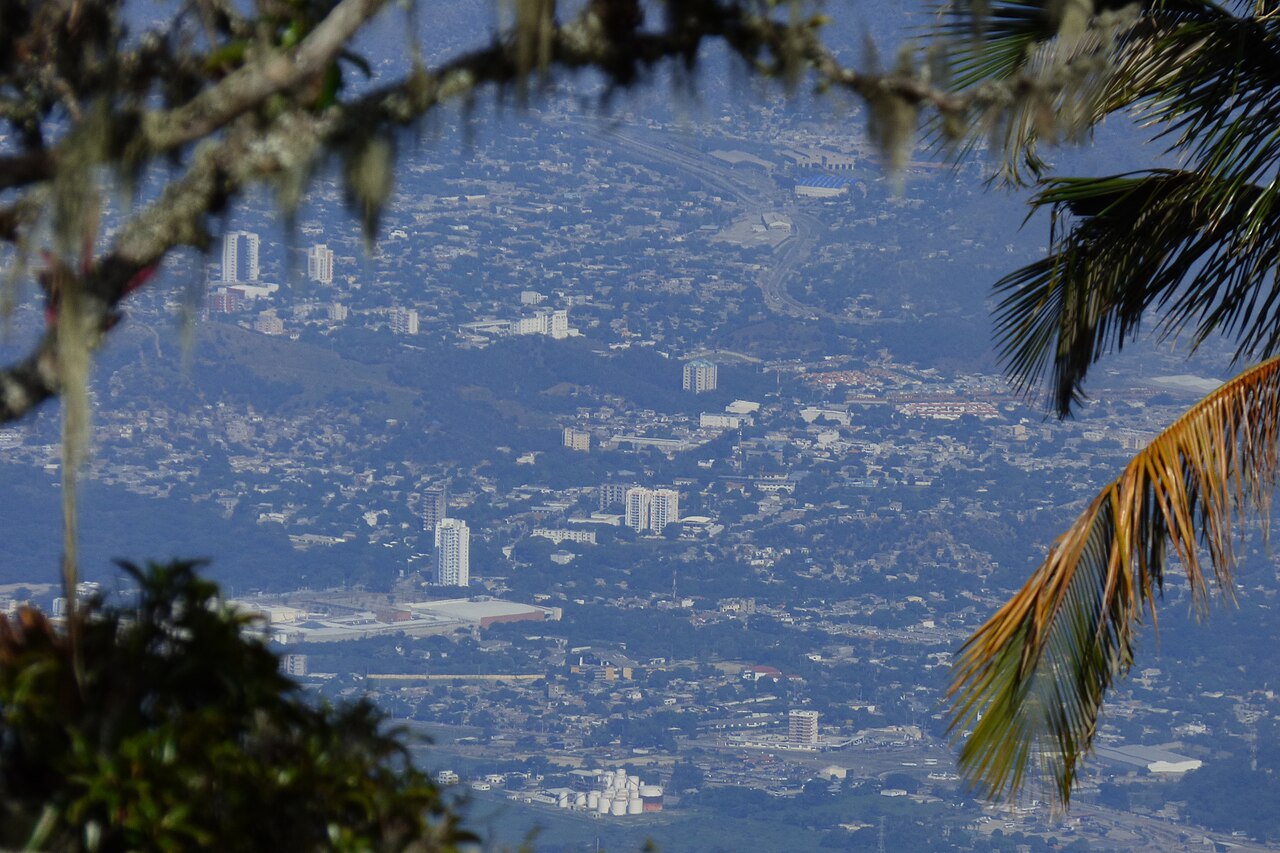
Photo Gallery
Weather & Best Time to Visit
Frequently Asked Questions
Q: Is Santa Marta safe for cruise passengers?
Santa Marta is generally safe for cruise visitors in tourist areas. The historic center, marina, and beach areas are well-patrolled. Use normal precautions—don't flash valuables, use licensed taxis, and stay aware of your surroundings.
Q: Can I visit Tayrona National Park on a cruise day?
Yes, but it's a full-day commitment. Tayrona is about 45 minutes from Santa Marta, and reaching the best beaches requires additional hiking. Ship excursions or private tours are recommended. Allow 6-8 hours minimum.
Q: What is the Sierra Nevada de Santa Marta?
The Sierra Nevada is the world's highest coastal mountain range, rising to 5,775m just 42km from the Caribbean shore. Its snow-capped peaks are visible from Santa Marta on clear days. Indigenous communities live in the highlands.
Q: What's the best beach near Santa Marta?
For cruise visitors with limited time, El Rodadero offers facilities and calm water 10 minutes from port. Tayrona's beaches are more spectacular but require half-day minimum. Playa Cristal is a snorkeling alternative between the two.
Q: What's the best time of year to visit Santa Marta on a cruise?
Typical range 74-90°F year-round; rain: Dry Dec-Apr; moderate wet season. Peak cruise months: Dec, Jan, Feb, Mar, Apr. Avoid months: Oct.
Q: Does Santa Marta have a hurricane or storm season?
Santa Marta is in a cyclone/hurricane risk region. Season: Jun 1 – Nov 30 (Atlantic). Peak: Sep, Oct.
Q: What should I pack for Santa Marta's weather?
For Santa Marta, pack for 74-90°F year-round. Hiking shoes for Tayrona; Reef-safe sunscreen; Bug repellent for trails; Cash for park fees
Q: Will rain ruin my Santa Marta port day?
Brief rain is common enough around Santa Marta that a flexible plan beats canceling. Tayrona National Park spectacular but needs transport; Sierra Nevada — world's highest coastal mountain
Q: Is Santa Marta Cruise suitable for passengers with mobility challenges?
Accessibility varies by area. The port vicinity and main commercial streets are generally manageable, but older historic districts may feature cobblestones, stairs, and uneven surfaces. Consider booking an accessible ship excursion if you have concerns. The ship's shore excursion desk can advise on specific accessibility options for this port.
Q: Do I need to exchange currency before arriving?
The local currency is Colombian Peso (COP). Most tourist-facing businesses accept major credit cards. ATMs near the port offer competitive exchange rates. Carry some local cash for small purchases, markets, and tips. Avoid exchanging money on the ship — the rates are typically unfavorable compared to local bank ATMs.
Q: Can I explore independently or should I book a ship excursion?
Both options work well. Ship excursions guarantee return to the vessel and handle logistics, making them ideal for first-time visitors. Independent exploration costs less and allows more flexibility — just keep track of time and allow a 30-minute buffer before all-aboard. Many passengers combine approaches: an organized morning tour followed by free afternoon exploration.
Author's Note: Port information reflects conditions during our visit. Security conditions and facilities may change. Verify current details with your cruise line.
Price Note: Prices are 2025 estimates and may vary based on season and currency fluctuations.